A failing smile can affect far more than meals. It can make you hesitate to laugh in photos, avoid favorite foods, or worry that loose dentures will shift at the wrong moment. If you are asking, can dental implants replace all teeth, the answer is often yes. Full-mouth dental implant treatment can restore an entire upper arch, lower arch, or both with teeth that are stable, natural-looking, and designed around your individual needs.
The right solution is not identical for every patient. Your oral health, bone structure, remaining teeth, medical history, goals, and comfort level all help determine the safest, most lasting path forward. A thoughtful consultation should give you clear answers without pressure.
Can Dental Implants Replace All Teeth Permanently?
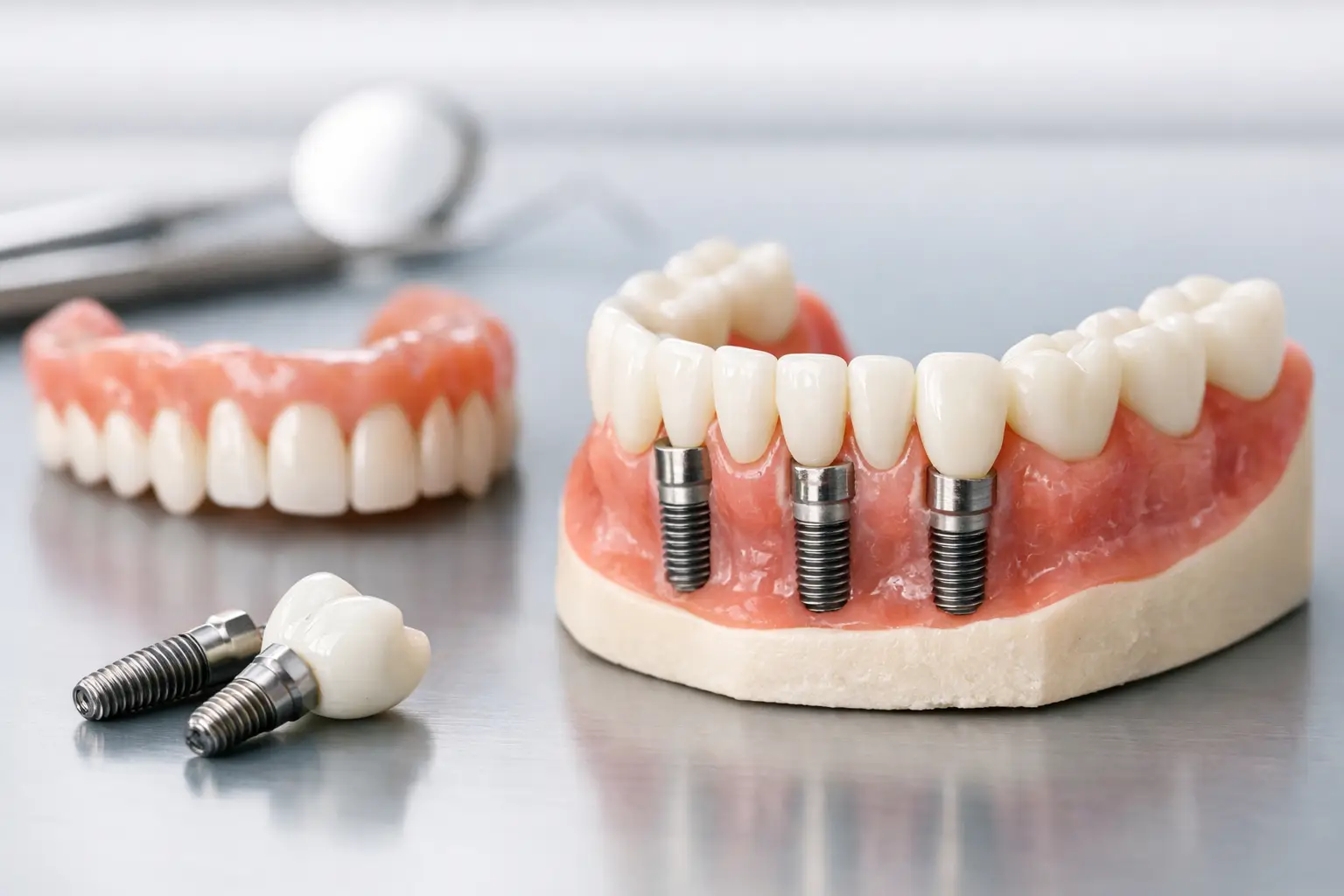
Dental implants can support replacement teeth for a full arch or a complete mouth. An implant is a small titanium post placed in the jawbone to serve as an artificial tooth root. As the bone heals around it, the implant becomes a secure foundation for a custom restoration.
For someone missing all teeth, implants do not necessarily mean placing one implant for every missing tooth. In many cases, a carefully planned number of implants can support a full bridge of replacement teeth. This approach can provide the stability and chewing function that traditional dentures may not offer.
“Permanently” deserves a little context. The implants themselves are intended to be a long-term solution, and with healthy habits and professional care, they may last for many years. The visible bridge or prosthetic teeth can also be highly durable, though they may eventually need maintenance, repair, or replacement from normal wear. No dentist should promise that any dental work will never need attention, but implant-supported teeth are built for lasting function.
Two Ways to Replace a Full Set of Teeth
The best full-mouth treatment depends on the condition of your mouth and what matters most to you day to day.
Individual implants with separate crowns
When a patient has enough healthy bone and wants each replacement tooth to stand independently, individual implants may be an option. Each implant receives its own crown, closely replicating the structure of natural teeth.
This can be an excellent choice in selected situations, particularly when only certain teeth are missing or when a patient prefers a highly individualized restoration. For a completely toothless arch, however, replacing every tooth with a separate implant is usually more extensive, more time-consuming, and more costly than necessary.
Implant-supported full-arch bridges
A full-arch bridge replaces all the teeth in the upper or lower jaw with one custom-designed restoration supported by several implants. All-on-4® is one well-known full-arch approach. It commonly uses four strategically positioned implants to support a full set of teeth, though some patients benefit from additional implants based on their anatomy and treatment plan.
For eligible patients, angled placement in the back of the jaw can make use of available bone and may reduce the need for bone grafting. That is helpful, but it is not a guarantee that grafting can always be avoided. Advanced imaging and careful planning are essential before making that decision.
Unlike a removable denture, a fixed implant bridge is secured in place by your dental team. It does not rely on adhesive, and it is designed not to move when you speak or eat. Many patients appreciate the renewed confidence that comes with teeth that feel secure.
Who Is a Candidate for Full-Mouth Implants?
Many adults who have lost most or all of their teeth can be considered for implant treatment, including people who have worn dentures for years. Even if you have been told you do not have enough bone, an evaluation is still worthwhile. Modern planning techniques and treatments such as bone grafting can expand options for some patients.
Candidacy is about more than the number of missing teeth. Your dentist will evaluate your gums, jawbone, bite, current restorations, overall health, and medications. Conditions such as uncontrolled diabetes can affect healing, while tobacco use may increase the risk of implant complications. These factors do not automatically rule out treatment, but they need an honest conversation and a personalized plan.
If you still have teeth that are severely decayed, loose, painful, or repeatedly infected, removing them and transitioning to implant-supported teeth may offer a healthier long-term direction. On the other hand, healthy natural teeth are worth preserving whenever possible. Full-mouth implants should never be presented as a shortcut when conservative care can predictably protect your natural smile.
What the Full-Mouth Implant Process Looks Like
A full-mouth restoration begins with listening. Your dental team should discuss what is difficult now, whether that means chewing, speaking, denture discomfort, appearance, or dental anxiety. Digital imaging and a complete exam help create a plan that accounts for both health and aesthetics.
If damaged teeth need to be removed, that step may be completed before or during implant placement. In certain cases, patients can receive a temporary fixed bridge on the same day as surgery. This gives you teeth to wear while your implants heal. Not every case is appropriate for immediate teeth, because implant stability, bite forces, bone quality, and healing needs must come first.
Over the next several months, the implants integrate with the jawbone. During this healing period, you will follow instructions for diet, cleaning, and follow-up visits. Once healing is complete, your final bridge is created to complement your facial features, bite, and preferred tooth shade and shape.
The planning is detailed because the outcome matters. A beautiful full-arch bridge should not only look natural. It should allow for comfortable chewing, clear speech, proper bite support, and effective home care.
Comfort Matters During Implant Treatment
It is understandable to feel nervous about a procedure as significant as full-mouth implant treatment, especially if past dental experiences have been difficult. Modern anesthesia, gentle techniques, and sedation options can make care far more manageable than many people expect.
At Art of Smiles, comfort planning is treated as part of treatment planning. For patients with significant anxiety or complex surgical needs, IV sedation can provide a deeply relaxed experience while the dental team focuses on precise care. Your health history and the details of your procedure determine which option is appropriate.
After surgery, some swelling and tenderness are normal. Most patients manage recovery with prescribed or recommended medication, a soft-food diet, and time to rest. Your dental team should explain what is expected, what requires a call, and how to protect the healing implants.
Benefits and Trade-Offs to Consider
Full-mouth implants can offer meaningful benefits: a secure bite, more confidence while eating and speaking, support for facial appearance, and freedom from removing dentures each night. Because implants stimulate the jawbone, they can also help reduce the bone loss that often follows tooth loss.
They are also a significant investment of time, planning, and finances. Treatment may involve extractions, grafting, temporary teeth, surgery, and a final custom bridge. Insurance coverage varies widely, and a complete estimate should explain each phase rather than leaving you to guess about costs.
Implant-supported teeth still require daily care. You will need to brush carefully, clean beneath the bridge using the tools recommended for you, and maintain regular professional visits. Implants cannot develop cavities, but the gum tissue and bone around them can become inflamed without consistent hygiene. Long-term success depends on excellent home care and ongoing monitoring.
Choosing the Right Next Step
If loose dentures, failing teeth, or a mouth full of ongoing dental problems are limiting your life, you do not have to decide on treatment alone. A complete implant consultation can clarify whether a fixed full-arch bridge, All-on-4® treatment, removable implant-supported dentures, or another option best fits your health and goals.
The most reassuring answer is not simply that full-mouth implants are possible. It is learning which approach can help you eat, smile, and speak with comfort again – and having a caring team explain every step before you begin.
