A missing tooth can affect far more than the way a smile looks. It can make eating uncomfortable, change the way surrounding teeth fit together, and leave many people feeling hesitant to laugh or speak freely. Understanding the tooth implant procedure steps can replace uncertainty with a clearer path forward – one designed around your health, comfort, and long-term goals.
Dental implants are not a one-size-fits-all treatment. Your timeline may be relatively short if the bone and gums are healthy, or it may include preparatory care to create the strongest possible foundation. At every stage, a thoughtful treatment plan helps protect both the function and appearance of your smile.
Tooth Implant Procedure Steps: A Clear Timeline
1. Your personal consultation and exam
The first appointment is about listening as much as examining. Your dentist will discuss what is bothering you, whether you are missing one tooth or several, your health history, and what you want your smile to feel and look like after treatment.
A detailed oral exam and advanced imaging help evaluate the jawbone, gum health, bite, and location of important structures such as nerves and sinuses. These images allow the implant to be planned with precision. If you are anxious about dental treatment, this is also the right time to talk openly about comfort options, including sedation.
Not everyone needs the same type of restoration. A single implant can support one crown, while multiple implants may support a bridge or a full-arch solution such as All-on-4®. The right recommendation depends on your oral health, the number of missing teeth, bone volume, lifestyle, and goals.
2. Preparing the mouth for implant placement
Before an implant is placed, the mouth needs to be as healthy and stable as possible. Treating gum disease, removing a damaged tooth, or addressing an infection may be necessary first. This preparation is not a delay without purpose. It gives the implant a cleaner, healthier environment in which to heal.
Some patients need a bone graft because the jawbone has thinned after a tooth has been missing for a while. A graft helps rebuild the support needed for an implant. If a tooth requires extraction, an implant may sometimes be placed at the same visit, but only when the site and surrounding bone make that approach appropriate.
Your dentist will explain whether immediate placement is a safe option or whether staged treatment offers a more predictable result. Choosing the right timing is part of protecting your investment in your smile.
3. Comfort planning before treatment
Fear of discomfort should never prevent you from seeking care. Local anesthetic is used to numb the treatment area, and many patients are surprised by how manageable implant placement feels. For patients with significant anxiety, a sensitive gag reflex, complex treatment needs, or a preference for a deeper level of relaxation, sedation may be considered.
At Art of Smiles, comfort planning is personalized rather than assumed. As the area’s only IV sedation dental office, the practice can provide an added level of support for eligible patients who want a calmer, more relaxed experience. Your health history, medications, and treatment plan will guide which option is appropriate.
4. Placing the dental implant
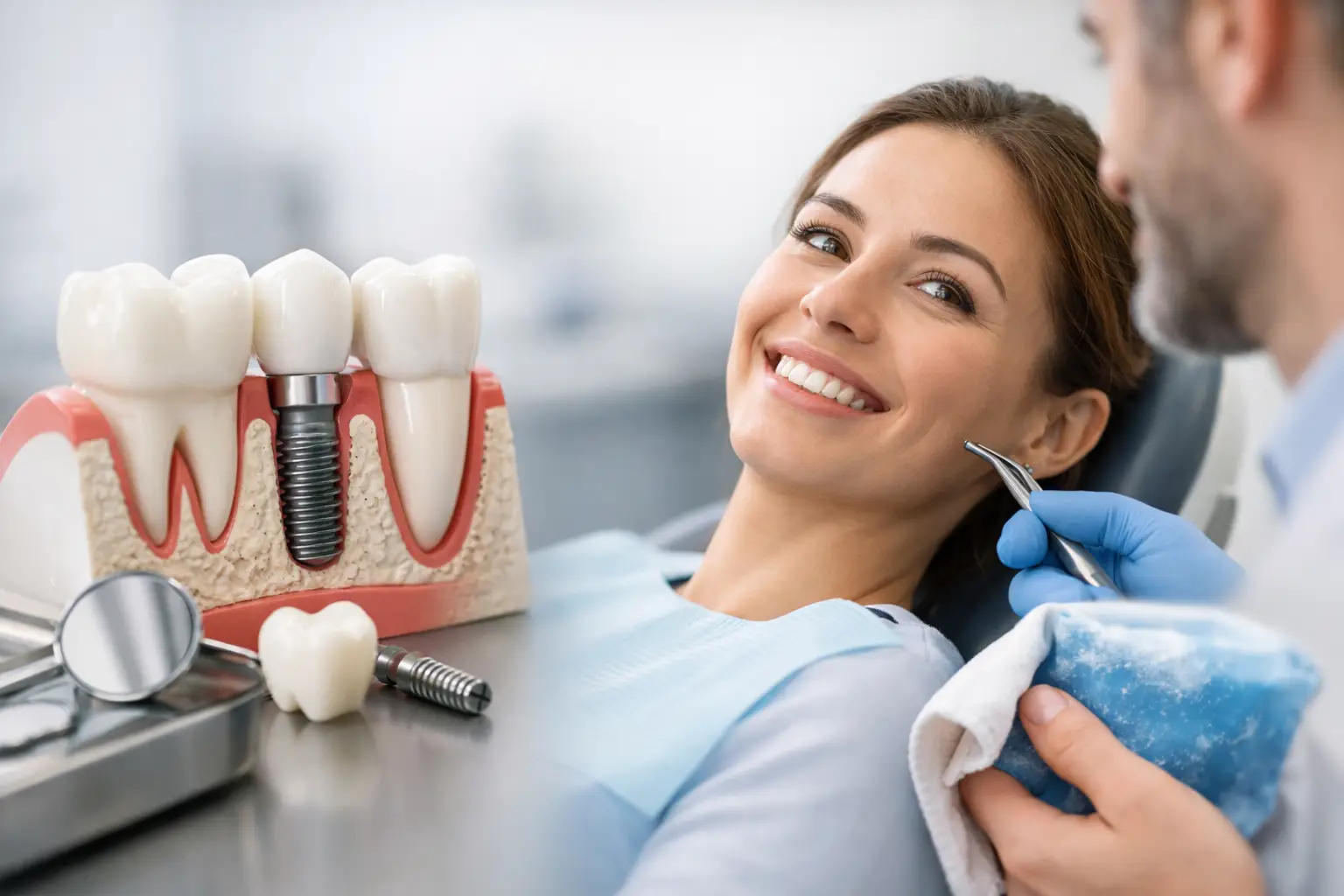
The implant itself is a small, biocompatible post that takes the place of a natural tooth root. During the procedure, the dentist carefully positions it in the jawbone according to the plan created from your imaging and exam. The gum tissue is then protected while the area begins to heal.
For many patients, placement is completed in a single appointment. The length of the visit depends on how many implants are needed and whether additional procedures are being completed at the same time. If sedation is used, you will need a trusted adult to drive you home and remain available as you recover from its effects.
Mild swelling, tenderness, and bruising can occur afterward. These effects are usually temporary and can often be managed with prescribed or recommended medications, cold compresses, rest, and a soft-food diet during the first days of healing.
5. Healing and bone integration
The period after implant placement is where the body does remarkable work. Over time, the jawbone grows around the implant in a process called osseointegration. This connection gives the implant the stability needed to support a crown, bridge, or full-arch restoration.
Healing often takes several months, although the exact timeline varies. Bone quality, the location of the implant, smoking or tobacco use, overall health, and whether grafting was needed can all affect the process. Your dentist will schedule follow-up visits to make sure the area is healing well and that the implant remains stable.
Depending on your treatment plan, you may wear a temporary tooth during this stage. A temporary restoration can help you smile and speak with greater confidence while protecting the implant site. In other cases, it is better to leave the area undisturbed during early healing. Your dentist will recommend the option that best supports a healthy outcome.
6. Attaching the abutment
Once the implant has integrated with the bone, a small connector called an abutment is attached. The abutment sits above the gumline and creates the connection between the implant post and the visible replacement tooth.
For some treatment plans, the abutment is placed at the same time as the implant. For others, it is added after healing. The choice depends on the implant location, gum tissue, and the approach that will produce the most stable and natural-looking result.
The gums may need a short period to heal and shape around the abutment. This step helps create a natural transition between the restoration and your gumline.
7. Creating and placing your final tooth
Your final restoration is designed to blend with your smile while restoring dependable function. Impressions or digital scans capture the details needed to create a crown, bridge, or implant-supported denture that fits comfortably and complements the color and shape of your surrounding teeth.
At the final visit, your dentist checks the bite, fit, appearance, and comfort of the restoration. Small adjustments can make a meaningful difference in how naturally the tooth feels when you chew and speak. The goal is not simply to fill a space. It is to restore a smile that feels secure, balanced, and genuinely yours.
Caring for Your Implant After Treatment
A dental implant cannot develop a cavity, but the gums and bone around it still need attentive care. Brush twice daily, clean between teeth and around the implant as instructed, and maintain regular professional cleanings and exams. Your care team may recommend specialized brushes, floss, or water-cleaning tools depending on the type of restoration you have.
Avoiding tobacco is especially important because it can interfere with healing and increase the risk of implant complications. If you grind or clench your teeth, a nightguard may help protect both the implant restoration and your natural teeth from excessive force.
Call your dental office if pain increases instead of improving, swelling becomes severe, bleeding persists, or the implant restoration feels loose. Prompt attention can help address concerns before they become more involved.
How Long Do Tooth Implant Procedure Steps Take?
The complete process can take a few months, and in cases involving bone grafting or more extensive restorative work, it may take longer. That timeline can feel significant, but it reflects the care taken to build a stable foundation rather than rush a result.
There are situations where a faster treatment path is possible, including certain immediate-placement cases and full-arch restorations. The best option is the one that respects your anatomy, protects healing, and gives your new smile the strongest chance to last.
If missing teeth have made meals, conversations, or photos feel less comfortable, a consultation can give you answers without pressure. A carefully planned implant journey begins with one reassuring conversation about what is possible for your health, comfort, and smile.
