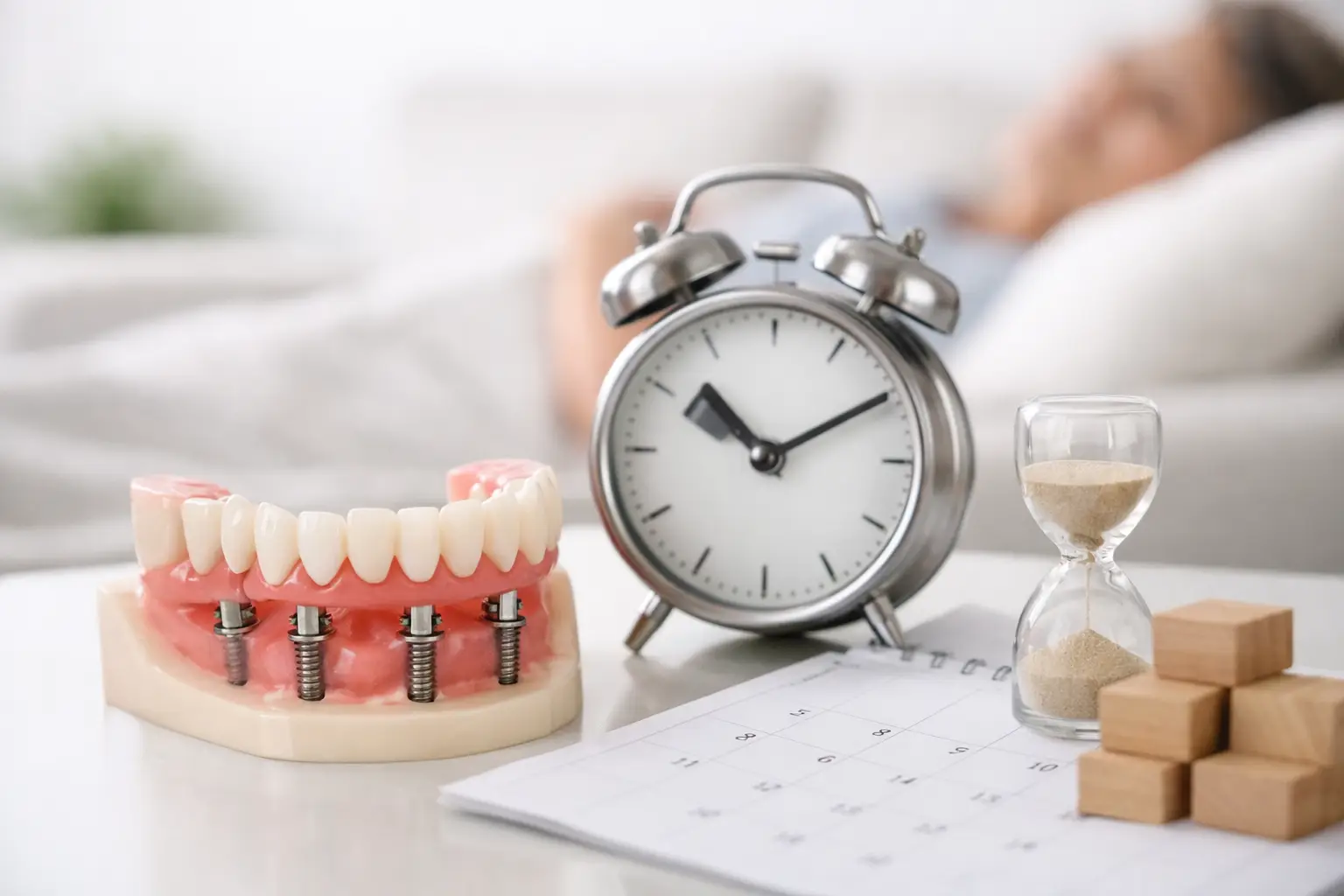
A full-arch smile can change far more than the way you look in photographs. It can make meals easier, speech clearer, and everyday interactions feel less guarded. Still, it is natural to wonder what happens after treatment. This all on 4 recovery timeline guide gives you a practical view of healing, from the first evening through the months when your implants become stable beneath your new smile.
Every person heals at a different pace. Your overall health, bone quality, whether extractions are needed, and how closely you follow aftercare instructions can all affect your experience. Your dental team will give you guidance tailored to your treatment, and that guidance should always come first.
Before Your Procedure: Plan for a Calmer Recovery
Recovery begins before you arrive for treatment. Arrange for a trusted adult to drive you home and stay with you after your appointment, especially if you receive sedation. At Art of Smiles, sedation options can help patients who feel anxious receive advanced care in a more comfortable setting, but sedation also means you will need time to rest before resuming normal activities.
Set up a quiet recovery space with pillows, water, prescribed medications, ice packs, and approved soft foods. Soup that has cooled, yogurt without crunchy additions, scrambled eggs, smoothies eaten with a spoon, mashed vegetables, and protein shakes can make the first few days easier. Avoid using a straw unless your dentist says it is safe, particularly if teeth were removed during treatment.
It also helps to clear your calendar. Even patients who feel surprisingly well the next day should avoid treating recovery as business as usual.
Day of Treatment: Rest, Protect, and Follow Instructions
All-on-4 treatment uses strategically placed dental implants to support a full arch of replacement teeth. In many cases, patients leave with a fixed temporary bridge on the same day. That can be an emotional moment: you may see a fuller, more confident smile immediately, while the surgical sites below are still beginning their healing process.
After your procedure, expect grogginess if sedation was used, along with mild bleeding or oozing, swelling, and tenderness. These are common early responses to oral surgery. Rest with your head elevated, use ice packs as instructed, and take medications exactly as prescribed or recommended. Do not drive, drink alcohol, smoke, or make significant decisions for the rest of the day if you have been sedated.
Your temporary teeth are designed to protect your appearance and function while your implants heal. They are not meant for forceful chewing. Think of the first stage as protecting an investment in your health, not testing the limits of your new teeth.
Days 2 Through 3: Swelling May Peak
For many patients, swelling and bruising are most noticeable around the second or third day. This does not automatically mean something is wrong. Discomfort should be manageable with the plan provided by your dentist, and it should gradually improve rather than intensify.
Continue resting when you can. Choose smooth, nutrient-dense foods and drink plenty of water. Keep your mouth clean according to your post-operative instructions, which may include gentle rinsing and careful brushing away from the surgical areas. Good oral hygiene supports healing, but vigorous brushing or rinsing too soon can irritate tender tissue.
You may also notice that speaking feels slightly different at first. Your tongue and facial muscles are adapting to a new tooth shape and bite. Reading aloud or having short conversations can help you adjust, but give yourself permission to speak slowly during the first few days.
The First Week: Feeling More Like Yourself
By the end of the first week, many people are more comfortable moving around, talking, and returning to light daily routines. Swelling often begins to fade, though it can last longer for some patients. You may have a follow-up visit so your dentist can check the surgical sites, evaluate your temporary bridge, and make small adjustments if needed.
This appointment matters. A temporary bridge may need refinements to keep your bite comfortable and reduce pressure while the implants integrate with the jawbone. Tell your dental team if your teeth feel uneven, if a spot rubs your gums, or if you have persistent soreness. You do not have to simply live with an uncomfortable fit.
Most patients should still avoid exercise that raises blood pressure significantly during this period. Your dentist can tell you when it is appropriate to return to your regular fitness routine.
Weeks 2 Through 6: Protecting Implant Healing
The visible signs of surgery may be mostly gone after a few weeks, but the most meaningful healing is happening below the gumline. Your jawbone is beginning to form a stable connection with the implants. This process, called osseointegration, takes time and cannot be rushed.
During this stage, you may feel well enough to forget that you are healing. That is exactly when following dietary restrictions is most valuable. Hard, crunchy, sticky, or chewy foods can place excessive force on implants and the temporary bridge before the bone has fully adapted. Even if you have no pain, avoid biting into apples, chewing steak, nuts, crusty bread, ice, or hard candy unless your dentist has cleared you to do so.
You can often expand your food choices gradually with softer options such as flaky fish, tender pasta, cooked vegetables, soft rice dishes, and ground meats. The right pace depends on your healing and your dentist’s instructions.
Months 2 Through 6: From Temporary Teeth to Your Final Smile
The later phase of an All-on-4 recovery timeline is less dramatic, but it is just as essential. Your dentist will monitor healing, gum health, implant stability, and your bite over several visits. Some patients move to their final prosthetic teeth sooner than others. The exact timing depends on healing, treatment complexity, and whether your dentist recommends allowing additional time for the implants to stabilize.
Your final bridge is designed for long-term strength, comfort, and appearance. It may be crafted with attention to tooth shape, color, facial balance, and the way your lips and smile move. Before it is finalized, speak openly about what you notice. A natural-looking, comfortable result comes from careful planning and clear communication.
Once your final teeth are placed, you can usually return to a broader range of foods. Even then, avoid using your teeth as tools or chewing extremely hard items. Implant-supported teeth are durable, but protecting them is part of protecting your long-term oral health.
Eating and Oral Hygiene During Recovery
Food and hygiene are two areas where small daily choices make a meaningful difference. Early on, focus on soft foods that provide protein, vitamins, and fluids without requiring forceful chewing. Very hot foods and drinks can sometimes increase bleeding or irritation immediately after surgery, so follow the temperature guidance from your dental team.
For cleaning, use the methods and products your dentist recommends. This may include a gentle toothbrush, a prescribed rinse, and later, tools for cleaning beneath your bridge. Implant-supported teeth do not decay, but the gums and bone around implants still need consistent care. Plaque buildup and inflammation can threaten the tissue that supports your new smile.
Smoking and vaping can interfere with blood flow and healing. If you use tobacco or nicotine, discuss it honestly with your dentist before treatment. Stopping or reducing use is one of the most helpful steps you can take for implant success.
When to Call Your Dentist
Some tenderness, swelling, and temporary changes in sensation can be expected. However, contact your dental office promptly if you experience pain that becomes severe or worsens after improving, heavy or ongoing bleeding, fever, pus, persistent numbness, a loose temporary bridge, or swelling that makes it difficult to breathe or swallow. Breathing or swallowing difficulty requires urgent medical attention.
You should also call if something simply does not feel right. Patients often worry about bothering the office, but an early question can prevent a small concern from becoming a larger problem. Clear follow-up care is part of a comfortable, successful recovery.
A new smile is not only about getting through surgery. It is about giving your body the time, nourishment, and professional support it needs to heal well. With a thoughtful plan and a dental team you trust, each stage can bring you closer to eating, speaking, and smiling with greater confidence.
