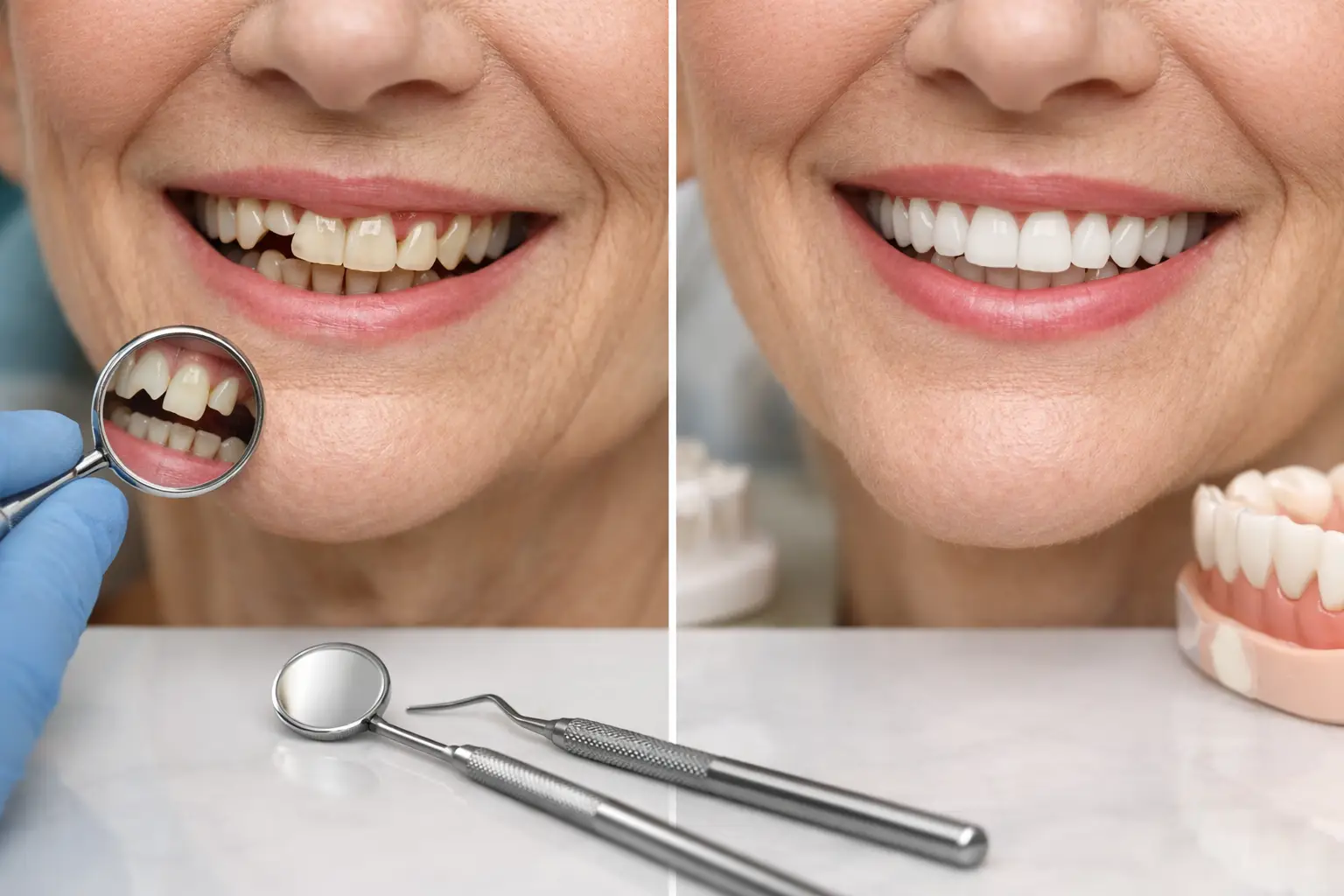
A smile can change slowly. A cracked tooth is avoided during meals, missing teeth make social occasions uncomfortable, and years of wear begin to affect the way the face looks at rest. Full mouth reconstruction before and after examples help put those experiences into perspective: the goal is not simply a brighter smile. It is a carefully planned return to comfort, confidence, and dependable oral function.
For patients with extensive dental concerns, the most meaningful “after” result is often being able to enjoy food, speak freely, smile in photos, and attend dental visits without fear. The treatment path is personal, and the best results begin with a clear understanding of what is possible for your health, goals, and timeline.
What Full Mouth Reconstruction Can Change
Full mouth reconstruction is a customized plan that restores multiple teeth, addresses bite concerns, and treats the underlying causes of damage or tooth loss. It may be appropriate when someone has widespread decay, failing dental work, missing teeth, significant wear from grinding, gum disease, broken teeth, or a combination of these concerns.
The “before” stage may include visible gaps, uneven tooth length, discolored restorations, worn enamel, or teeth that have shifted out of position. Some issues are less visible but equally disruptive, such as jaw discomfort, recurring infections, difficulty chewing, or a bite that no longer closes comfortably.
The “after” stage should look natural and feel stable. Depending on the case, treatment can include dental implants, implant-supported bridges, All-on-4® treatment, crowns, bridges, veneers, periodontal care, root canal treatment, or a protective nightguard. Not every patient needs every treatment. A thoughtful plan focuses on what will best support lasting health and function.
Full Mouth Reconstruction Before and After Examples
Before-and-after images can be powerful because they show visible changes, but they do not show the full clinical story. Below are common examples of the types of transformations a comprehensive reconstruction may create.
Example 1: Worn, Short Teeth Restored to a Balanced Bite
A patient may arrive with teeth that look flat, short, or chipped after years of grinding or acid erosion. The smile can appear aged because the worn teeth no longer provide the proper support for the lips and cheeks. Chewing may be difficult, and the jaw muscles may feel tired or sore.
After reconstruction, carefully designed crowns or other restorations can restore the proper height and shape of the teeth. The smile often appears fuller, more even, and more youthful, but the deeper benefit is a more balanced bite. In many cases, a nightguard is part of the long-term plan to protect the new dental work from continued grinding.
Example 2: Missing Teeth Replaced With Dental Implants
When several teeth are missing, patients may struggle with more than appearance. Surrounding teeth can shift, chewing efficiency can decline, and bone loss may develop over time in areas without tooth roots. Removable appliances can help some patients, but they are not the right fit for everyone.
A reconstruction using dental implants may replace individual missing teeth or support a bridge. Before treatment, the patient may hide gaps or avoid certain foods. After healing and restoration, the result can be a secure, natural-looking smile that allows more comfortable chewing and speaking. Implant treatment requires healthy planning, adequate bone support, and a commitment to ongoing home care and professional visits.
Example 3: Failing Dentures Replaced With All-on-4®
A patient with severely damaged remaining teeth or loose dentures may feel limited every day. Dentures can shift during conversation, create sore spots, or make it difficult to eat foods that require firmer chewing. The emotional burden can be substantial, especially for someone who has spent years feeling self-conscious about their smile.
All-on-4® treatment uses a limited number of strategically placed implants to support a full arch of replacement teeth. The before-and-after change can be dramatic: failing teeth or an unstable denture are replaced with a fixed, full smile. However, this treatment is not a cosmetic shortcut. It requires a detailed evaluation of bone, gum health, medical history, and expectations. Patients also need to understand the care required to maintain implant-supported teeth over time.
Example 4: A Smile Affected by Decay and Old Dental Work
It is common for patients to have a mix of old fillings, crowns that no longer fit well, cracked teeth, and areas of recurrent decay. The “before” appearance may be uneven in color and shape, but the more urgent concern is often sensitivity, infection risk, or weakened tooth structure.
The after result may involve replacing compromised restorations, treating infection, rebuilding damaged teeth, and improving the bite. A beautiful final smile is possible, but preserving healthy natural tooth structure remains a priority whenever it is clinically appropriate. Reconstruction is not about replacing every tooth automatically. It is about making careful decisions tooth by tooth.
Why Two Patients Can Have Very Different Results
No responsible dentist can promise that one patient’s transformation will look exactly like another’s. The best treatment depends on the condition of the teeth and gums, the amount of bone available for implants, bite alignment, medical considerations, budget, and personal priorities.
For one patient, the most conservative path may be treating gum disease, restoring a few teeth, and monitoring others. For another, extensive damage may make full-arch implant treatment the more predictable choice. Timing also varies. Some cases can be completed efficiently, while others require healing periods, bone grafting, orthodontic movement, or phased care.
A trustworthy consultation should include an honest conversation about trade-offs. Fixed implant-supported teeth may offer excellent stability, but they require surgery and ongoing maintenance. Saving natural teeth can be valuable, but severely compromised teeth may need repeated treatment with an uncertain long-term outlook. There is no one-size-fits-all answer, only a plan built around your specific needs.
What to Look for Beyond the Photos
When reviewing full mouth reconstruction before and after examples, look beyond the shade of the teeth. A quality result should show harmony between the teeth, gums, lips, and facial features. Teeth should not look overly large, flat, or unnaturally white unless that is an informed and appropriate preference.
Ask how the bite was evaluated and whether the underlying disease was treated. A smile may look appealing immediately after cosmetic work, but it will not be as successful if gum disease, infection, bite problems, or grinding were left unaddressed. Lasting reconstruction combines appearance with sound function.
It is also reasonable to ask about the treatment process. Will there be temporary teeth? How is comfort managed? What happens if anxiety has kept you from seeking dental care? For patients who feel fearful or have difficulty sitting through longer appointments, sedation options can make comprehensive treatment feel far more manageable. At Art of Smiles, IV sedation may be an option for appropriate patients who want a calmer, more comfortable experience during advanced dental care.
Preparing for Your Own Transformation
The first appointment is not a commitment to treatment. It is an opportunity to be heard. Bring up the concerns that have affected your life, whether that is pain, embarrassment, a loose denture, trouble eating, or fear after a difficult dental experience.
A comprehensive evaluation may include digital imaging, photographs, a bite assessment, periodontal measurements, and a review of your medical and dental history. These details allow the dental team to develop a plan that is both realistic and personal. You should leave with a clear understanding of the recommended sequence, estimated timeline, anticipated costs, and alternatives.
The best before-and-after story is not measured only by the mirror. It is the moment you stop planning meals around your teeth, speak without covering your mouth, or return to dental care knowing you will be treated with patience and respect.
