A smile makeover often begins with one moment: avoiding a photo, covering your mouth when you laugh, or realizing that worn, damaged, or missing teeth are affecting more than your appearance. This guide to smile makeover planning can help you move from that concern to a clear, comfortable treatment path built around your health, goals, and daily life.
A successful makeover is not about creating a one-size-fits-all celebrity smile. It is about restoring a smile that looks natural on you, feels comfortable to use, and supports your long-term oral health. For some patients, that means brightening and refining healthy teeth. For others, it means rebuilding function with crowns, implants, or full-arch restoration.
Start With the Reason You Want Change
Before discussing treatments, think about what you would most like to improve. You may be concerned about discoloration that whitening has not corrected, uneven edges, gaps, old dental work, missing teeth, or a smile that no longer feels like your own. Your priorities matter because they help shape a plan that is both realistic and personal.
It also helps to consider how your teeth function. Do you avoid certain foods? Have you noticed jaw discomfort, shifting teeth, loose restorations, or difficulty chewing? A smile makeover can be aesthetic, but lasting results require a foundation of healthy gums, stable teeth, and a bite that works properly.
Bring examples if they help you communicate what you like, but do not feel pressure to arrive with all the answers. An experienced dentist should listen carefully, ask thoughtful questions, and explain what is possible for your individual smile.
A Guide to Smile Makeover Planning Starts With Health
Cosmetic concerns should never be viewed separately from dental health. Gum disease, active decay, cracked teeth, infection, and bite problems may need attention before veneers, whitening, or other visible improvements begin. Addressing these concerns first protects your investment and can prevent a beautiful result from becoming a short-lived one.
Your comprehensive evaluation may include photographs, digital imaging, X-rays, and an assessment of your teeth, gums, jaw, and bite. This process gives your dentist a complete picture of what is happening below the surface, not just what appears in the mirror.
If you have been putting off care because of fear, embarrassment, or a difficult past dental experience, say so early in the conversation. Anxiety is common, and it should be treated with respect. A comfort-focused practice can discuss sedation options, pacing, and communication preferences before treatment begins.
Consider the Treatments That Fit Your Needs
A smile makeover may use one treatment or a carefully coordinated combination. The right choice depends on the condition of your teeth, how much change you want, your timeline, and your budget.
Professional whitening can be a conservative option for healthy teeth with surface staining or natural yellowing. It may be recommended before other cosmetic work so new restorations can be matched to your preferred tooth color. Whitening does not change the color of crowns, veneers, or fillings, which is an important planning detail.
Bonding can reshape small chips, close minor gaps, and improve uneven edges. It is often less invasive than other options, although it may stain or wear more readily over time. Veneers can create a more substantial change in shape, color, and symmetry for appropriate candidates, but they usually require some preparation of the natural tooth.
Crowns may be the better choice when a tooth is weakened, extensively filled, fractured, or significantly worn. They can restore strength as well as appearance. If one or more teeth are missing, dental implants can replace the tooth root and support a crown, bridge, or a full-arch solution such as All-on-4. Implant treatment can be life-changing for function and confidence, but it typically involves healing time and careful planning.
Orthodontic treatment may be recommended when tooth position or bite alignment is the main issue. Straightening teeth before cosmetic restorations can sometimes reduce the amount of reshaping needed later. The best plan is not always the fastest plan, especially when protecting healthy tooth structure is a priority.
See the Smile Before Treatment Begins
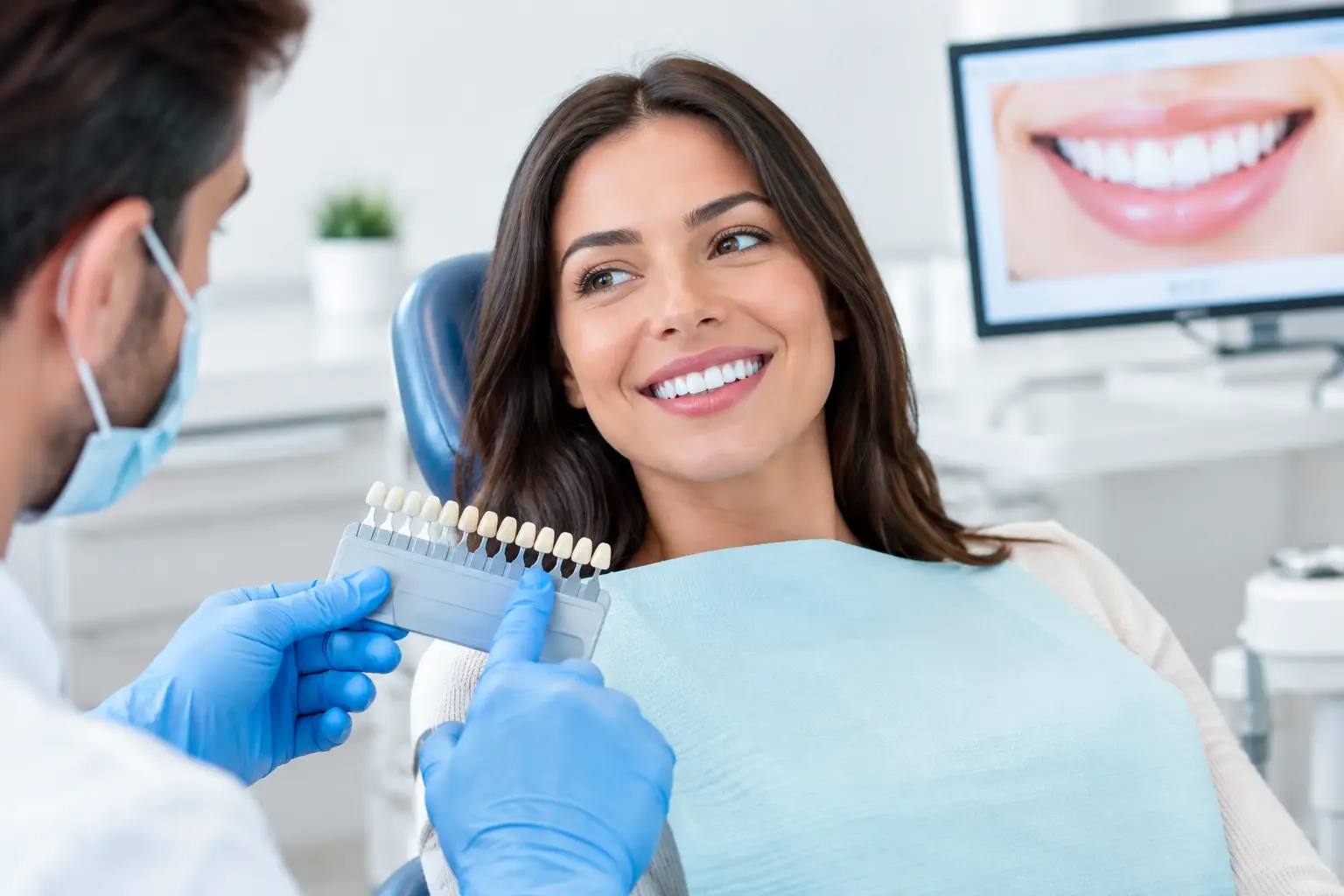
Ask how your proposed result will be planned and communicated. Digital photography, scans, and smile design tools can help your dentist evaluate proportions, tooth shape, gum display, and the way your smile relates to your face. In certain cases, a temporary preview or mock-up can help you better understand potential changes before final restorations are made.
This is the time to speak up about details. Do you prefer a brighter look or a softer, natural shade? Would you like rounded edges, a more youthful contour, or a subtle correction that does not draw attention? Small decisions can make a meaningful difference, and there is no universal definition of the perfect smile.
A thoughtful dentist will also be candid about limitations. Existing tooth structure, gum position, bite forces, and the condition of older dental work can affect what is advisable. Honest guidance is a sign that your plan is being built for durability, not just a quick visual change.
Plan Around Timing, Comfort, and Daily Life
Smile makeovers can range from a single appointment to a phased process lasting several months. Whitening or bonding may be completed relatively quickly, while implants, gum treatment, orthodontics, and complex restorative care can require multiple visits and healing periods.
If you have a wedding, reunion, professional event, or other meaningful date ahead, mention it during your consultation. Your dentist can discuss what can realistically be completed by then and whether temporary solutions are appropriate. It is wiser to allow room for proper healing and adjustments than to rush permanent treatment.
Comfort deserves equal consideration. For patients who feel nervous in the dental chair or need several procedures completed efficiently, sedation dentistry may make care feel much more manageable. At Art of Smiles, sedation options, including IV sedation, can be discussed as part of a personalized care experience. The goal is not simply to get through treatment, but to feel safe, heard, and cared for throughout it.
Understand Cost Without Losing Sight of Value
The cost of a smile makeover varies widely because treatment plans are individual. A plan focused on whitening and bonding will differ significantly from one involving crowns, implants, gum care, or full-mouth rehabilitation. During your consultation, ask for a clear explanation of recommended treatment, alternatives, anticipated timing, and payment options.
It can be tempting to choose the lowest initial price, but dental treatment should be evaluated over time. Materials, planning, laboratory craftsmanship, diagnostic technology, clinician experience, and follow-up care all influence the quality and longevity of the result. At the same time, more treatment is not automatically better. The ideal plan preserves healthy tooth structure whenever possible and addresses the concerns that matter most to you.
Phased treatment can be a practical option. You may begin by treating infection or replacing a failing restoration, then move forward with cosmetic refinements when the foundation is stable. A staged plan can make care more manageable financially and emotionally while keeping the final goal in view.
Ask Questions That Build Confidence
You should leave a smile makeover consultation feeling informed rather than pressured. Ask why each treatment is recommended, what alternatives exist, how long results may last, and what maintenance will be needed. It is also reasonable to ask what happens if a restoration chips, a tooth changes color, or your bite needs an adjustment.
Discuss home care as well. Even the most beautiful veneers, crowns, or implant restorations still depend on daily brushing, flossing or other recommended cleaning methods, routine professional visits, and protection from damaging habits. If you grind your teeth, a nightguard may be part of protecting your new smile.
Pay attention to how the office makes you feel. Clear explanations, respectful listening, clean surroundings, and a team that does not dismiss your concerns are not extras. They are part of excellent dental care.
Your smile should never feel like something you have to hide. When you are ready to explore what is possible, begin with a conversation focused on your comfort, your health, and the version of your smile that feels most like you.
