A sore spot that does not heal, a persistent rough patch, or a change in the way your mouth feels can be easy to dismiss. Many oral changes are harmless and temporary, but some deserve a closer look. An oral cancer screening is a brief, gentle examination that gives your dentist an opportunity to identify concerning changes early, often before they become painful or disruptive.
At Art of Smiles, preventive care is about more than keeping teeth clean. It is about caring for the whole person, listening carefully to concerns, and helping you protect your health with calm, personalized attention.
Why Oral Cancer Screening Is Part of Routine Dental Care
Oral cancer can affect the lips, tongue, cheeks, gums, floor of the mouth, roof of the mouth, and throat. It does not always begin with obvious pain. In fact, early changes may be subtle enough that you would not notice them while brushing or looking in the mirror.
That is why a screening is commonly included in regular dental visits. Your dentist and dental team see the tissues of the mouth regularly and are trained to recognize changes in color, texture, shape, or healing. Finding something unusual does not mean it is cancer. It means it should be evaluated appropriately rather than ignored.
Early detection can make a meaningful difference. When suspicious changes are addressed promptly, treatment may be less extensive and outcomes may be better. The goal is not to create worry. It is to give you one more layer of preventive care and reassurance.
What Happens During an Oral Cancer Screening?
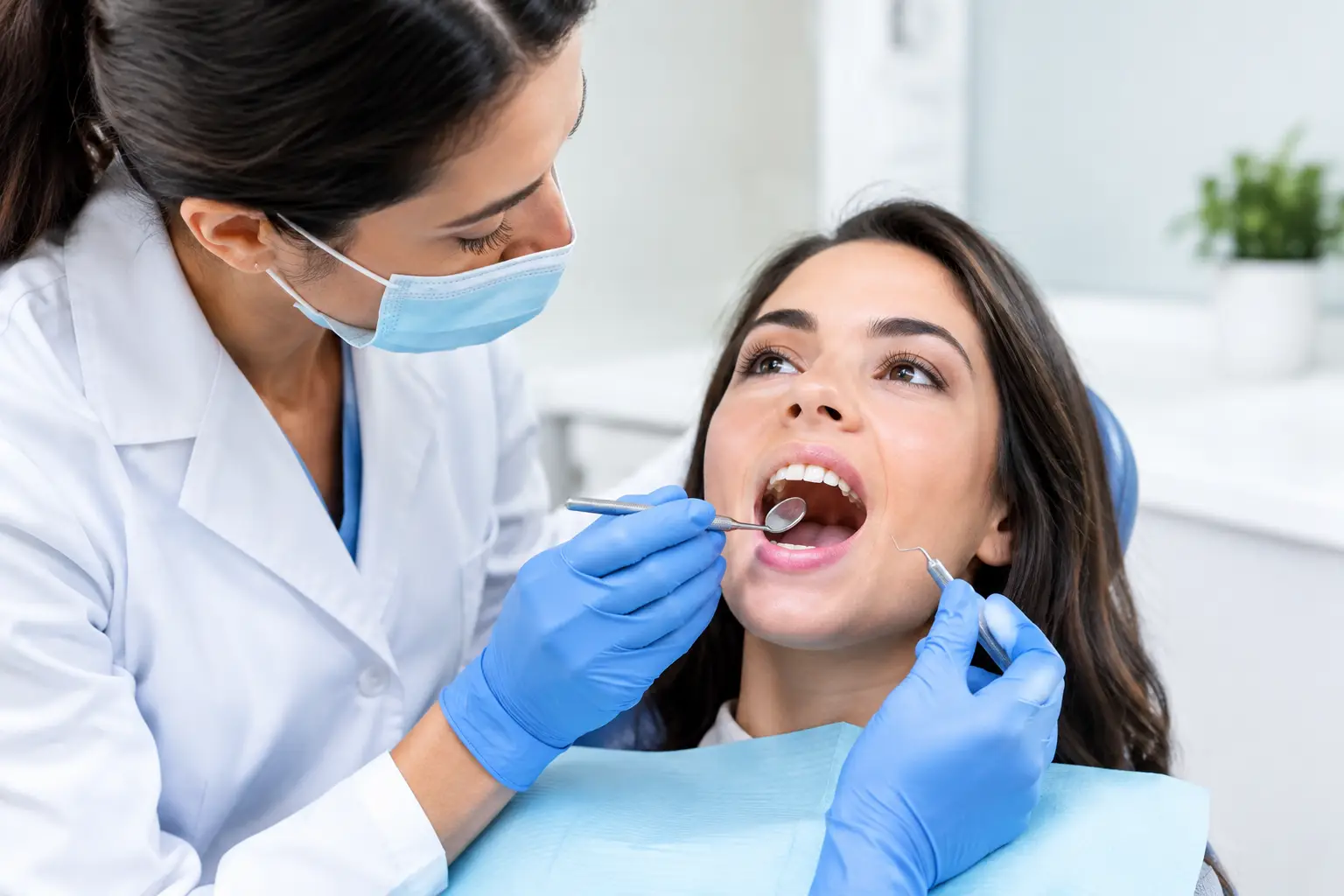
The exam is typically quick, noninvasive, and painless. There are no needles, medications, or recovery time involved. During your visit, your dentist will visually examine your lips, cheeks, gums, tongue, palate, and the area beneath your tongue. They may ask you to move your tongue in different directions so they can see all surfaces clearly.
Your dentist may also gently feel your jaw, neck, and the soft tissues around your mouth. This helps identify swelling, tenderness, or unusual lumps that may not be visible. You may be asked whether you have noticed persistent soreness, difficulty swallowing, hoarseness, numbness, or changes in your bite.
For patients who feel anxious about dental visits, knowing what to expect can make a real difference. You can always ask the team to explain each step before it happens, pause if you need a break, and share any concern without embarrassment. A screening should feel like a straightforward conversation about your health, not a stressful experience.
What Your Dentist May Look For
Most mouth sores and irritations resolve on their own, especially when caused by a minor injury, biting your cheek, or a sharp food edge. Still, a dentist will pay close attention to changes that persist or do not appear to have a clear cause.
These can include white or red patches, a sore that has not healed after two weeks, a thickened area of tissue, unexplained bleeding, a lump, or a change in the way dentures fit. Other signs worth discussing include ongoing pain in the mouth or ear, numbness, trouble chewing or swallowing, persistent hoarseness, or a neck lump.
A screening does not diagnose cancer. If an area appears unusual, your dentist may recommend monitoring it briefly, adjusting a source of irritation, taking photographs for comparison, or referring you to a physician or specialist for further evaluation. A biopsy is the only way to confirm whether cancer is present.
Who Should Have Oral Cancer Screenings?
Every adult should have their mouth examined during routine dental care. Oral cancer is more common in certain groups, but it can affect people without traditional risk factors. A regular dental visit gives you a consistent opportunity to have changes checked by a professional who knows what normal tissues should look and feel like.
Risk can be higher for people who use tobacco in any form, including cigarettes, cigars, chewing tobacco, and vaping products. Frequent or heavy alcohol use can also raise risk, particularly when combined with tobacco. Prolonged sun exposure may increase the risk of cancer on the lips, and human papillomavirus, or HPV, is associated with some cancers in the back of the mouth and throat.
Age is another consideration, as oral cancer is diagnosed more often in adults over 40. But risk factors are not a reason to assume the worst, and having none is not a reason to skip preventive care. Your personal history, health conditions, medications, and habits all help shape the conversation.
Between Visits, Pay Attention to Lasting Changes
You know your mouth better than anyone. If something feels different, it is reasonable to have it checked, even if your next cleaning is not scheduled soon. Do not wait for pain to become severe before calling. Many oral health concerns are easier to address when they are evaluated early.
Contact your dentist if a mouth sore, patch, lump, or unexplained symptom lasts longer than two weeks. This guideline matters because ordinary irritation often improves within that time. A persistent change does not automatically signal a serious condition, but it does warrant professional attention.
It is also wise to mention symptoms that seem unrelated to your teeth, such as a lasting sore throat, changes in your voice, pain when swallowing, or a feeling that something is caught in your throat. Your dental team can assess what they see and help guide you toward the right next step.
How Often Should You Be Screened?
For most patients, an oral cancer screening during regular checkups is appropriate. The right recall schedule depends on your oral health, gum health, history of dental treatment, and individual risk factors. Some patients benefit from more frequent visits, while others may maintain excellent health with standard preventive appointments.
If you smoke, use tobacco, have a history of significant sun exposure, consume alcohol frequently, or have had unusual oral lesions in the past, tell your dentist. Honest information helps your care team provide recommendations that fit your needs. This is a judgment-free conversation focused on protecting your health.
Regular exams are especially valuable for patients who wear dentures, have extensive restorative work, or are planning advanced treatment such as dental implants. Healthy soft tissues are an essential part of a healthy, comfortable smile. Before restorative or cosmetic care begins, a thorough evaluation helps ensure treatment is built on a strong foundation.
A Small Exam That Supports Long-Term Health
It is natural to feel uneasy when you hear the words “oral cancer,” especially if you have noticed a change in your mouth. But avoiding the subject does not provide peace of mind. A professional evaluation does. Most findings have explanations other than cancer, and a careful exam can help replace uncertainty with a clear plan.
Preventive dental visits are one of the simplest ways to stay aware of your oral health. Along with brushing, flossing, and professional cleanings, an oral cancer screening is a quiet but meaningful part of protecting your well-being.
If you have noticed a change that has lingered, or if you are due for routine care, schedule an appointment and bring up what you are experiencing. A compassionate dental team can help you feel heard, informed, and cared for from the first conversation onward.
