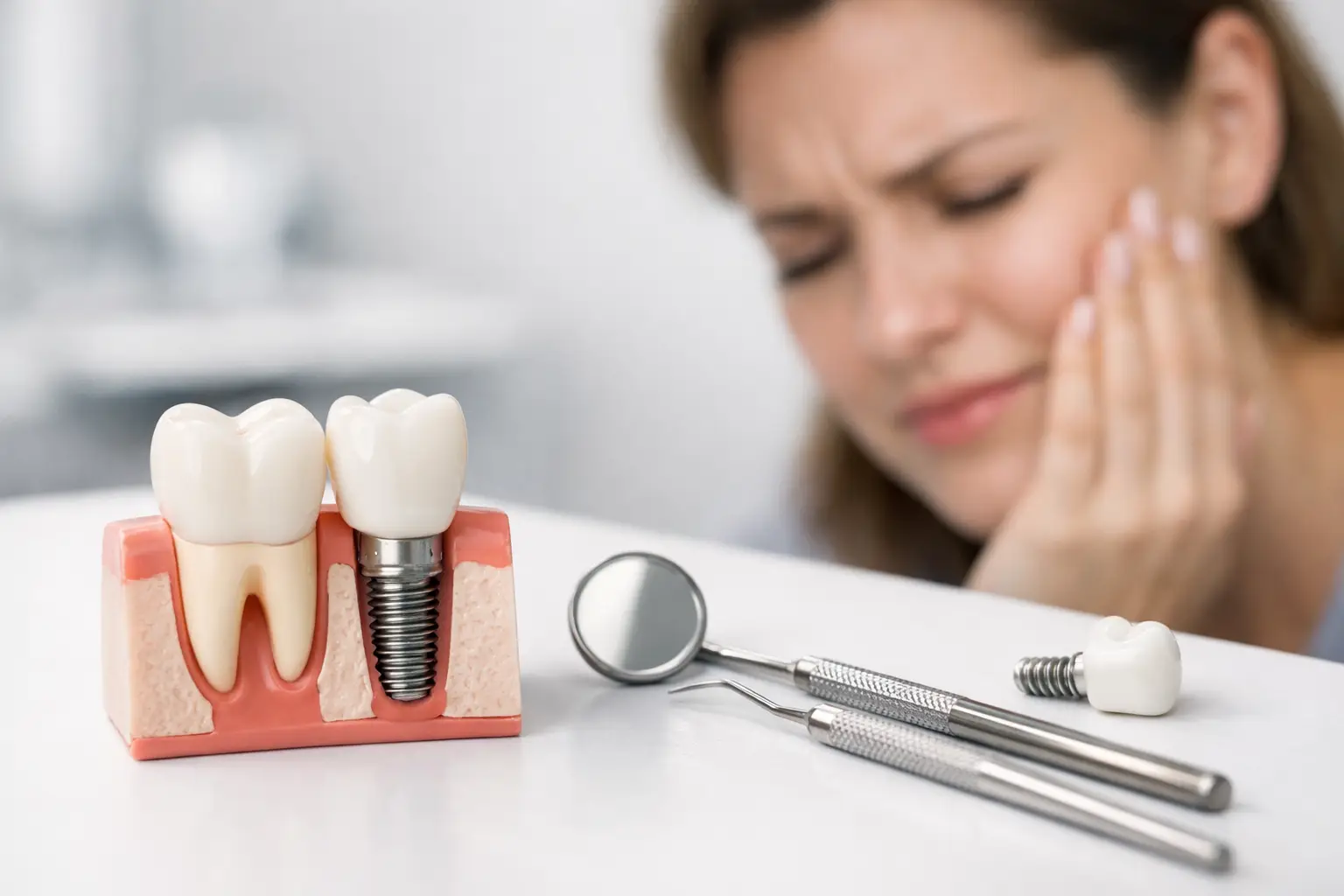
A missing tooth can affect far more than the way you eat or smile. For many people, the next question is immediate: are dental implants painful? The honest answer is that implant treatment should not be painful during the procedure, and most patients find recovery more manageable than they expected. Some soreness is normal as your mouth heals, but modern anesthesia, careful planning, and comfort-focused care can make the process feel far less intimidating.
At Art of Smiles, every implant plan begins with listening. Your health history, dental needs, anxiety level, and goals all matter when creating an experience that feels safe, clear, and comfortable.
Are Dental Implants Painful During the Procedure?
No, you should not feel pain while a dental implant is being placed. Before treatment begins, your dentist thoroughly numbs the area with local anesthesia. You may notice pressure, vibration, or movement, but sharp pain is not expected. If you feel discomfort at any point, tell your dental team right away so they can adjust your anesthesia.
The placement process involves positioning a small titanium implant in the jawbone, where it will serve as the foundation for a replacement tooth. Although that may sound intense, patients are often surprised by how comfortable and efficient the appointment feels. The procedure is carefully planned using advanced imaging and precise techniques, which helps minimize unnecessary trauma to surrounding tissue.
Your comfort options can go beyond local numbing. For patients who feel nervous, have a strong gag reflex, need extensive care, or simply want to feel more relaxed, sedation dentistry can be an excellent option. Oral sedation may help you feel calm, while IV sedation allows for a deeper level of relaxation under close monitoring. Many patients remember little of their appointment afterward.
What Does Dental Implant Recovery Feel Like?
Once the numbness wears off, it is common to have tenderness around the implant site. Think of it more like the soreness that can follow a tooth extraction or a minor oral surgery, rather than constant severe pain. The first 24 to 72 hours are usually the most noticeable, and discomfort generally improves each day.
You may experience mild swelling, bruising, jaw stiffness, or slight bleeding during the first few days. These are normal healing responses. Your dentist will provide specific instructions based on your procedure, but many patients manage discomfort with prescribed medication, over-the-counter pain relievers when appropriate, cold compresses, and rest.
The level of soreness depends on the details of your treatment. Replacing one tooth with a straightforward implant may involve a relatively easy recovery. A more complex case, such as bone grafting, multiple implants, or a full-arch restoration like All-on-4, can require more healing time and closer follow-up. Even then, a well-designed plan and proactive pain management make a meaningful difference.
A Typical Recovery Timeline
The day of your procedure is usually best reserved for rest. Keep your head elevated, use cold packs as directed, and choose soft foods. Most people return to normal daily activities within a day or two, although strenuous exercise should wait until your dentist says it is appropriate.
During the first week, tenderness and swelling should steadily fade. You will be asked to protect the area, maintain gentle oral hygiene, and avoid foods that could irritate the surgical site. Over the following months, the implant integrates with the jawbone in a process called osseointegration. This stage is generally not painful, but it is essential for creating a stable, long-lasting foundation for your new tooth.
Why Dental Implant Pain Varies From Person to Person
There is no single recovery experience because every smile and every treatment plan is different. Your comfort can be influenced by the number of implants placed, the health and density of your jawbone, whether an extraction or graft is needed, and how closely you follow aftercare instructions.
An existing infection, inflammation, or a difficult tooth removal can also make the first few recovery days more sensitive. That does not mean implants are the wrong choice. It simply means your dentist should account for those factors and guide you through an appropriate treatment schedule.
Dental anxiety matters, too. When someone has had a painful dental experience in the past, even the thought of treatment can cause real physical tension and fear. That is why a compassionate dental team will explain what you will feel, what you will not feel, and what options are available to help you stay relaxed. You deserve to ask questions before agreeing to treatment.
How to Keep Implant Recovery More Comfortable
Thoughtful aftercare protects your healing tissues and reduces unnecessary discomfort. Follow the instructions provided by your dentist, especially when it comes to medication timing and cleaning around the area. Taking pain medication as recommended before numbness fully disappears can help prevent discomfort from building.
For the first few days, eat soft, nourishing foods such as yogurt, eggs, smoothies, soup that is not too hot, and mashed vegetables. Avoid chewing directly on the implant site and skip hard, crunchy, spicy, or sticky foods until you receive clearance. Smoking and tobacco use can interfere with healing and increase the risk of implant complications, so your dentist may recommend stopping before treatment and throughout recovery.
Good communication is part of good care. Contact your dental office if pain becomes severe, gets worse after several days instead of improving, or comes with fever, persistent bleeding, significant swelling, or a bad taste in your mouth. These signs do not always mean there is a serious problem, but they should be evaluated promptly.
Is an Implant More Painful Than a Tooth Extraction?
Many patients expect implant placement to hurt more than an extraction, but that is not always the case. A painful or infected tooth can create significant discomfort before it is removed. Once that tooth is addressed and the area is thoroughly numbed, implant placement may feel quite manageable.
In certain cases, an implant can be placed immediately after an extraction. In others, it is better to allow the area to heal first or complete bone grafting before placement. The right approach depends on your bone support, gum health, infection status, and long-term goals. Rushing treatment is rarely the best path to a healthy result.
The Comfort of a Clear Plan
Fear of the unknown is often more difficult than the procedure itself. Before implant treatment, you should know what is happening, why it is recommended, how long healing may take, and what comfort options are available. A personalized consultation gives you the space to discuss your concerns without pressure.
Dental implants are designed to restore function, confidence, and a natural-looking smile for years to come. If pain is what has kept you from replacing a missing tooth, start with a conversation. With a caring team, appropriate anesthesia or sedation, and a plan built around your needs, taking that first step can feel much easier than you imagined.
