A straighter smile can change more than a photograph. It can make brushing easier, improve how your bite feels, and help you speak and smile with greater confidence. When considering braces versus Invisalign, the best choice is not always the least noticeable option. It is the treatment that can safely address your needs and fits your daily life well enough for you to see it through.
For adults and teens alike, orthodontic treatment is a personal decision. Some patients want a discreet solution for work or school. Others have more complex bite concerns and want the most predictable path to correction. A thoughtful exam and clear conversation can replace uncertainty with a treatment plan that feels manageable.
Braces versus Invisalign: What is the core difference?
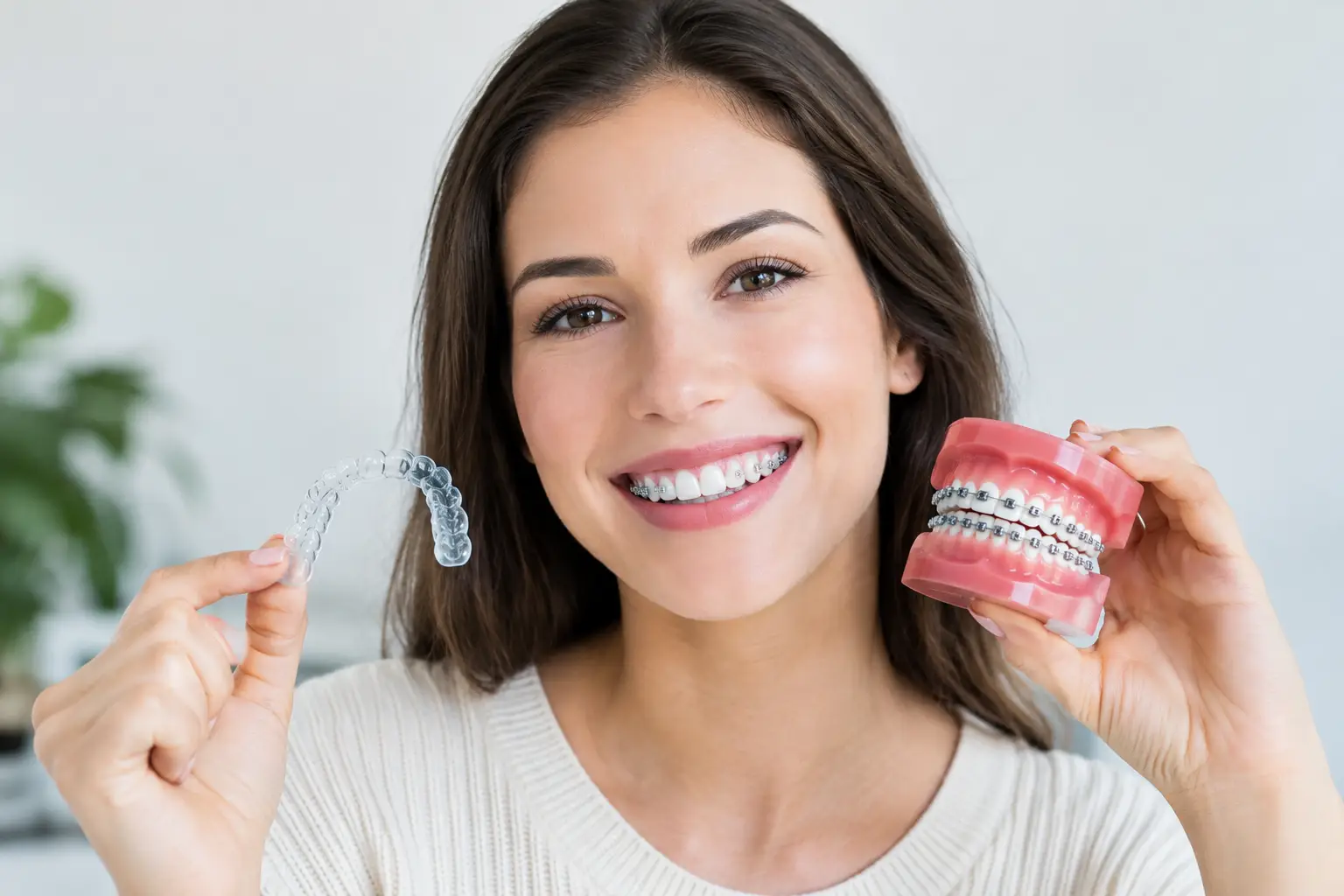
Traditional braces use brackets attached to the teeth and a wire that is adjusted over time. The system applies steady, carefully controlled pressure to guide teeth into healthier positions. Modern braces are smaller and more comfortable than many people remember, and they remain an excellent option for a wide range of alignment and bite concerns.
Invisalign uses a series of clear, removable aligners made specifically for your teeth. Each set is worn for most of the day, then changed according to your treatment plan as your teeth gradually move. Small, tooth-colored attachments may be placed on certain teeth to give the aligners a better grip and make more precise movement possible.
Both approaches can create beautiful, functional results. The meaningful difference is how the treatment works in your mouth and in your routine. Braces are always working because they stay in place. Invisalign depends on consistent wear, which gives you flexibility but also places more responsibility in your hands.
When braces may be the better choice
Braces are often recommended when tooth movement is more complex or when a bite needs significant correction. They can be particularly useful for severe crowding, pronounced rotations, teeth that need to move vertically, or jaw and bite relationships that require close control. That does not mean clear aligners cannot treat challenging cases. It means the right system depends on the exact movements your smile needs.
Because braces are fixed to the teeth, they can also be a practical choice for patients who know they may struggle to keep track of removable aligners or wear them as directed. There is no need to remember to put braces back in after meals, sports, or a busy day. Your treatment continues around the clock.
The trade-off is that braces are visible and require some adjustments at mealtime. Hard, sticky, and crunchy foods can damage brackets or wires, so patients need to make a few dietary changes. Brushing and flossing also take more care, especially around the brackets and under the wire. With the right technique and regular dental visits, however, most patients adapt quickly.
When Invisalign may be the better choice
Invisalign is popular with adults and older teens who want orthodontic treatment to be less noticeable. The aligners are clear, smooth, and removable for meals and oral hygiene. That means you can continue enjoying a wider variety of foods and brush and floss your teeth without working around brackets and wires.
For the right case, clear aligners can be an especially comfortable fit for professional settings, family events, and active lifestyles. Patients who play wind instruments or contact sports may also appreciate not having brackets against the lips and cheeks. If you are wearing aligners as instructed, typically about 20 to 22 hours each day, they can move teeth effectively while blending into your routine.
That wear time matters. Taking aligners out for a quick meal is simple, but leaving them out for long lunches, coffee breaks, or evenings can slow progress and affect results. Aligners must also be stored safely whenever they are not in your mouth. Many treatment delays begin with an aligner accidentally wrapped in a napkin and thrown away.
Comfort, appearance, and everyday care
Both braces and Invisalign can cause temporary pressure as teeth begin moving. This is generally a sign that the appliance is working, not a sign that something is wrong. Braces may occasionally irritate the cheeks or lips, particularly after an adjustment. Orthodontic wax can help while your mouth gets used to the new shape.
Clear aligners tend to have smoother edges and may feel gentler against the soft tissues. Still, they can create mild pressure when you begin a new set, and attachments can feel unfamiliar at first. Patients sometimes notice a short adjustment period in their speech with aligners, though this usually improves with regular wear.
Oral hygiene deserves equal attention with either treatment. Braces require detailed brushing around brackets and between teeth. Invisalign makes brushing and flossing more straightforward, but aligners should never be placed over unbrushed teeth after a meal. Trapping food particles and sugars against the teeth can increase the risk of cavities and gum irritation.
Treatment time and cost depend on your needs
It is understandable to ask which option is faster or less expensive. The honest answer is that it depends on the complexity of your case, your treatment goals, and your consistency with care. A minor alignment issue may take less time than a comprehensive bite correction, regardless of whether you choose braces or clear aligners.
Invisalign is sometimes associated with a higher fee because of the custom aligner system and planning involved, but costs can overlap with braces in many cases. Insurance coverage, available benefits, and payment arrangements can also affect your out-of-pocket investment. The most useful comparison is not simply the starting price. It is the value of a treatment plan that addresses your oral health, bite, comfort, and long-term results.
Retainers are another important part of the conversation. Teeth naturally have a tendency to shift over time, so retainers are typically needed after either braces or Invisalign. Wearing them as instructed protects the time, effort, and financial investment you have made in your smile.
How to make the right decision for your smile
Start with what matters most to you, then balance those preferences with clinical recommendations. If you want treatment that is discreet and removable, and you are comfortable committing to daily wear, Invisalign may be an excellent fit. If your bite is more involved, you prefer a system that works without daily decisions, or your provider recommends more precise control, braces may be the stronger option.
Your exam should include more than a quick look at crooked teeth. A dentist or orthodontic provider should evaluate your gums, jaw function, existing dental work, bite, and the health of each tooth before recommending treatment. If there are cavities, gum disease, worn teeth, or restorative needs, addressing those concerns first can help protect the outcome of orthodontic care.
A clear explanation matters, especially if dental visits have made you anxious in the past. You deserve to understand what treatment will feel like, how long it may take, and what support is available when questions arise. The right plan should give you confidence, not pressure.
A straighter smile is not about choosing what worked for someone else. It is about choosing a path that respects your health, comfort, and goals. With a personalized evaluation and consistent care, either braces or Invisalign can be the beginning of a smile you feel genuinely happy to share.
