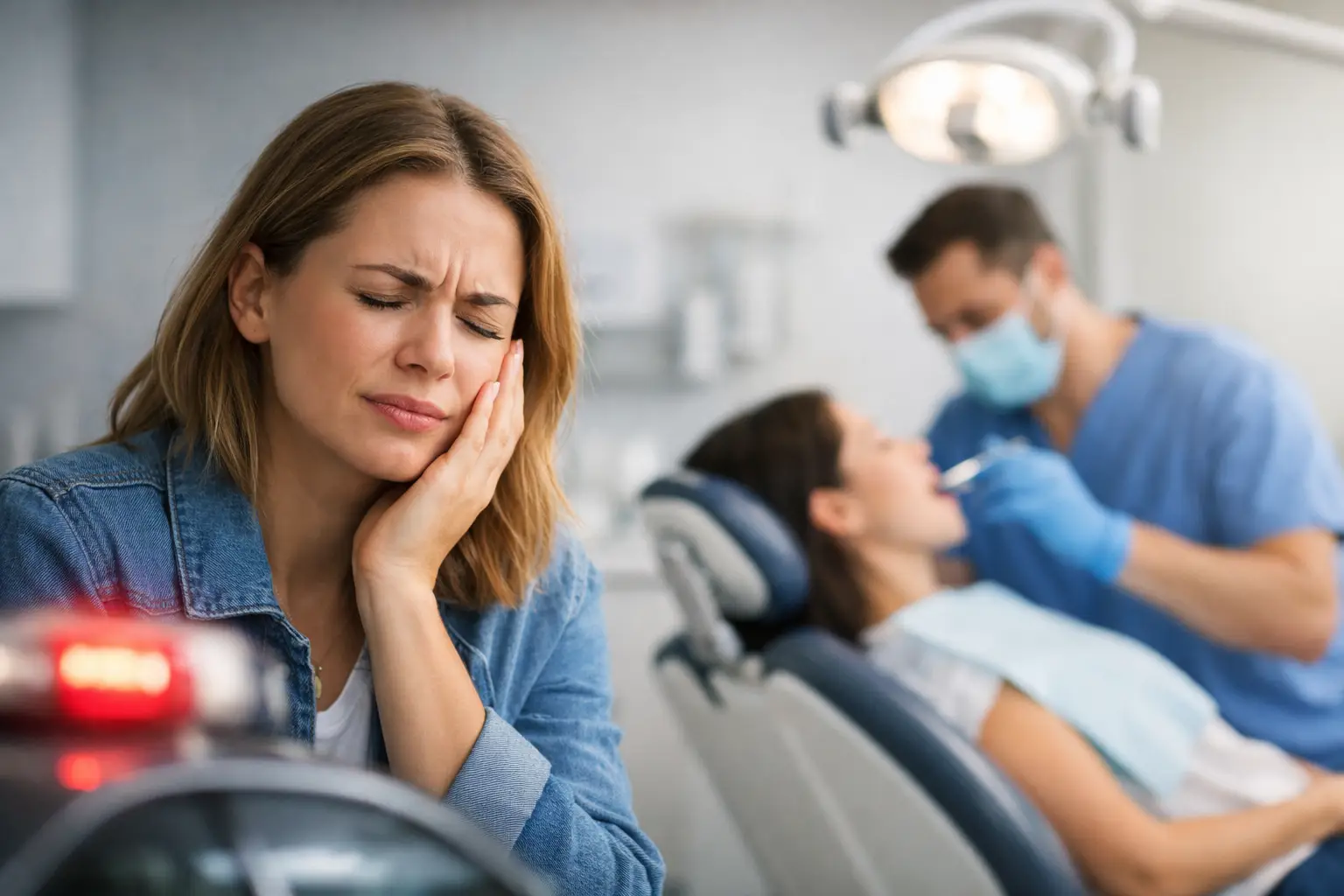
A cracked tooth at dinner, a swelling that gets worse overnight, a crown that falls off before a big event – dental problems rarely happen at a convenient time. If you are searching for an emergency dentist Vero Beach patients can rely on, the first question is usually simple: Is this truly an emergency, or can it wait until tomorrow?
That distinction matters. Some dental issues are painful but stable for a short time. Others can progress quickly, affecting not just your tooth but your overall health. Knowing the difference can help you act sooner, protect your smile, and avoid a problem that becomes more complex than it needed to be.
What counts as a dental emergency?
A true dental emergency is any situation involving severe pain, swelling, bleeding, infection, trauma, or damage that puts a tooth at immediate risk. The goal is not just to relieve discomfort. It is to prevent further injury, preserve the tooth when possible, and address anything that could threaten your health.
Common reasons patients seek urgent care include a knocked-out tooth, a cracked or broken tooth, a severe toothache, a lost filling or crown with significant pain, an abscess, bleeding that does not stop, or swelling in the gums, jaw, or face. A jaw injury or a dental injury after a fall, sports accident, or car accident can also require prompt attention.
There are also cases that feel urgent but may be less time-sensitive. A small chip with no pain, a mildly loose crown, or temporary sensitivity can sometimes wait for a regular appointment. The challenge is that symptoms do not always tell the full story. A tooth can look minor on the surface and still have internal damage. That is why it helps to call a dental office that can guide you based on your symptoms.
Emergency dentist Vero Beach: symptoms you should not ignore
Pain is often the symptom that gets attention first, but pain alone is not the only reason to act quickly. Some of the most serious dental infections begin with pressure, swelling, or tenderness before becoming severe. If you have facial swelling, pus near the gums, a bad taste in your mouth, fever, or pain when biting, those can be signs of infection that deserve prompt care.
A knocked-out permanent tooth is especially time-sensitive. In many cases, the tooth has the best chance of being saved if treatment happens as soon as possible. A cracked tooth can be similar. The longer the fracture is left untreated, the greater the chance bacteria can reach the inner tooth and create infection or make the tooth harder to restore.
Bleeding that continues after an injury should also be taken seriously. The same goes for a tooth that suddenly feels loose, especially after trauma. Even if the tooth is still in place, the supporting structures may be injured.
For patients with dental anxiety, there is another reason symptoms get ignored: fear. Many people delay care because they worry the visit will be painful or overwhelming. Unfortunately, waiting usually makes treatment more involved. A smaller issue may turn into a root canal, extraction, or more significant restorative care if it is left alone too long.
What to do before you reach the dentist
The right first steps can make a real difference. If a permanent tooth is knocked out, pick it up by the crown, not the root. If it is dirty, rinse it gently with water without scrubbing. Try to place it back in the socket if possible. If that is not possible, keep it moist in milk or saliva and seek care immediately.
For swelling, a cold compress on the outside of the face may help reduce discomfort. For a broken tooth, rinse your mouth gently with warm water and save any pieces if you can. If a crown or filling falls out, avoid chewing on that side and keep the area as clean as possible.
Over-the-counter pain relief may help in some situations, but it is not a substitute for treatment. It can lower discomfort for a few hours while the underlying issue continues to worsen. If you have swelling that affects breathing or swallowing, or if you have significant facial trauma, that goes beyond standard dental urgency and should be treated as a medical emergency.
Why same-day evaluation matters
When patients think of emergency dentistry, they often think only about pain relief. Relief matters, of course, but same-day evaluation is really about clarity. You want to know what is happening, how serious it is, and what the most conservative effective treatment will be.
Sometimes the answer is straightforward. A cavity has reached the nerve, and the tooth needs root canal treatment or extraction. A crown came off, and it can be re-cemented or replaced. Other times, it depends on what imaging and an exam reveal. A cracked tooth may be restored with bonding or a crown if the damage is limited. If the fracture extends deeper, treatment may be more involved.
Early evaluation also helps preserve options. The sooner a problem is diagnosed, the more likely it is that a dentist can recommend treatment focused on saving the natural tooth. Delays can narrow those options, especially with infection or trauma.
Comfort matters during a dental emergency
An emergency is stressful enough without worrying about how you will get through the appointment. For many patients, anxiety is not secondary to the problem – it is part of the problem. Fear of pain, fear of needles, embarrassment about the condition of the tooth, or a bad memory from a past dental visit can all make it harder to seek care quickly.
That is why a comfort-focused emergency visit matters. Clear explanations, a calm environment, and treatment that prioritizes both urgency and patient ease can change the experience completely. Sedation options can be particularly helpful for patients who are extremely anxious, have a strong gag reflex, or need more extensive urgent treatment completed efficiently.
In Vero Beach, patients who have avoided the dentist for years because of fear often feel relief when they realize emergency care does not have to be rushed, impersonal, or traumatic. It can still be compassionate. It can still be carefully explained. And it can still be centered on your comfort, even when the situation is time-sensitive.
How emergency dental care can lead to long-term treatment
Not every emergency ends with a simple fix. Sometimes urgent care is the first step in a larger treatment plan. A severely broken or infected tooth may need immediate attention first, followed by a discussion about restoration, implants, or broader smile rehabilitation after the pain is under control.
That is where comprehensive care becomes valuable. If a tooth cannot be saved, the next question is not just how to remove pain. It is how to restore function, appearance, and long-term oral health. Some patients need a single crown. Others may need implant dentistry or more advanced solutions after repeated dental issues or years of wear and damage.
This is one reason many patients prefer a practice that can manage both the emergency itself and the next phase of care. It creates continuity, reduces stress, and helps ensure that urgent treatment fits into a broader plan for your health.
Choosing the right emergency dentist in Vero Beach
Not every dental office approaches emergencies the same way. Availability matters, but so do experience, technology, communication, and how the team treats patients who are in pain or distress. In an emergency, you want a practice that listens carefully, moves efficiently, and does not make you feel like just another slot in the schedule.
It also helps to choose a dentist who can handle more than the immediate symptom. If your emergency reveals a deeper restorative issue, advanced training and a full-service approach can save time and reduce the need for multiple referrals. For anxious patients, sedation can be a major deciding factor. Art of Smiles is especially known for providing a comfort-centered experience, including IV sedation for patients who need a calmer and more manageable visit.
If you are not sure whether your situation is urgent, call anyway. A good dental team will help you understand whether you need immediate treatment, same-day evaluation, or the next available appointment. That conversation alone can bring a lot of peace of mind.
When waiting is the riskier choice
Dental pain has a way of making people negotiate with themselves. If it eases off, they hope the problem is gone. If swelling is mild, they decide to watch it one more day. Sometimes that works out. Often, it does not.
Teeth do not heal themselves the way a scraped knee does. Infections do not typically resolve without proper treatment. Cracks tend to deepen. Temporary relief can be misleading.
If something feels off, especially if you have pain, swelling, trauma, or a sudden change in how your bite feels, trust that instinct and get it checked. Fast care is not just about getting through today. It is about protecting what comes next – your comfort, your health, and your confidence in your smile.
When a dental emergency happens, the most helpful next step is usually the simplest one: reach out, ask questions, and let a trusted professional help you decide what needs attention now.
