A sore spot that has not healed, a persistent hoarse voice, or a change you can feel with your tongue can be easy to dismiss. Often, these changes are harmless. Still, a guide to oral cancer screening can help you understand why a routine dental visit is about far more than your teeth. A brief, comfortable examination gives your dentist an opportunity to look for changes early, when treatment is often simpler and outcomes can be better.
For many patients, the greatest obstacle is not the exam itself. It is worry about what might be found. A caring dental team should make room for your questions, explain each step clearly, and help you move forward with confidence rather than fear.
What Is an Oral Cancer Screening?
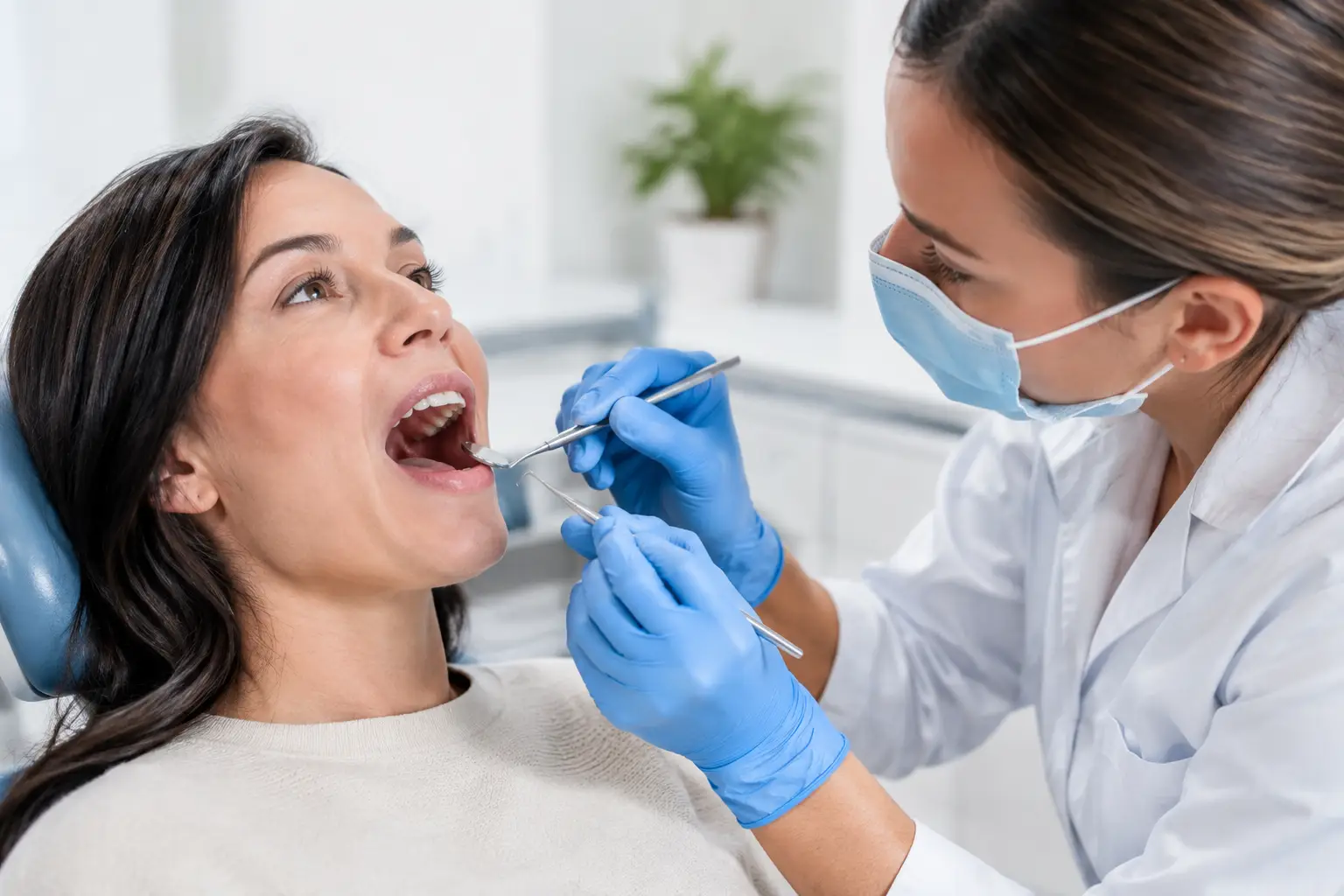
An oral cancer screening is a clinical examination of the mouth and nearby areas of the head and neck. During a regular dental visit, your dentist looks for unusual changes in the lips, cheeks, gums, tongue, roof of the mouth, throat, jaw, and neck.
The screening is not painful, and it usually takes only a few minutes. It does not diagnose cancer on its own. Instead, it helps identify areas that may need closer observation, a recheck, or evaluation by a physician or specialist.
Oral cancers can occur in people who use tobacco or drink alcohol heavily, but they can also affect people with no obvious risk factors. Some oral and throat cancers are associated with certain strains of human papillomavirus, or HPV. That is why regular screening matters for adults of all ages, not only for patients who smoke.
What Happens During an Oral Cancer Screening?
A thorough screening is simple and straightforward. Your dentist begins by asking whether you have noticed pain, sores, numbness, swallowing changes, voice changes, or anything unusual in your mouth. Sharing these details is valuable, even if the symptom seems minor.
Next, your dentist visually examines the tissues of your mouth. This includes your lips, gums, inner cheeks, tongue, palate, and throat. They are looking for changes in color, texture, shape, or symmetry, such as a persistent white or red patch, thickened tissue, a nonhealing sore, or an unusual lump.
The examination also includes touch. Your dentist may gently feel your jaw, neck, and the tissues under your tongue to check for swelling, tenderness, or enlarged lymph nodes. You may be asked to move your tongue in different directions so the sides and underside can be viewed clearly.
Some practices use additional light-based or dye-based tools to help highlight tissue that deserves attention. These tools can be useful adjuncts, but they do not replace a careful clinical exam or provide a diagnosis. If an area appears concerning, the appropriate next step may be monitoring it for a short period, taking photographs, or arranging a referral for further evaluation and possibly a biopsy.
Signs That Deserve a Prompt Call
Many mouth changes have ordinary explanations. A sharp tooth can irritate the cheek, dentures can rub, and canker sores can be uncomfortable but temporary. The key is whether a change improves as expected.
Contact your dentist or physician if you notice a sore, patch, lump, or area of pain that lasts longer than two weeks. Other symptoms worth discussing include unexplained bleeding, numbness, difficulty chewing or swallowing, a lasting sore throat, a change in your voice, or a feeling that something is caught in your throat.
You should also pay attention to a tooth that feels loose without a clear dental reason, swelling in the jaw or neck, or pain in one ear that persists without an ear infection. These symptoms do not automatically mean cancer. They do mean you deserve a professional assessment instead of waiting and wondering.
Who Benefits Most From Regular Screening?
Every adult benefits from an oral cancer screening as part of routine dental care. Your individual risk may be higher if you currently use or previously used cigarettes, cigars, pipes, chewing tobacco, or vaping products. Heavy alcohol use, especially combined with tobacco use, can further raise risk.
Extended sun exposure can increase the risk of cancer on the lips, which is especially relevant in sunny Florida. Using lip balm with SPF and protecting your face outdoors are small habits that support long-term health.
Age, a prior oral cancer diagnosis, HPV exposure, and a weakened immune system can also affect risk. However, risk factors are not a reason for alarm or self-diagnosis. They are a reason to keep preventive visits on schedule and tell your dental team about changes in your health history.
How Often Should You Have an Oral Cancer Screening?
For most people, an oral cancer screening is included in a routine dental examination, often every six months. Your dentist may recommend a different schedule based on your health history, tobacco or alcohol use, previous findings, or current symptoms.
The right frequency depends on your needs. Someone with a persistent area being monitored may need to return sooner. A patient who has had cancer treatment or has significant risk factors may need closer coordination between their dentist and medical specialists. Personalized care matters because a screening schedule should reflect the whole person, not just a calendar reminder.
Between appointments, a monthly self-check can help you become familiar with what is normal for your mouth. In good light, look at your lips, gums, cheeks, tongue, and palate. Notice any new patches, sores, swelling, or changes that do not resolve. A self-check is not a substitute for a professional exam, but it can make it easier to recognize when something has changed.
A Guide to Oral Cancer Screening for Anxious Patients
If dental visits make you uneasy, it is understandable to feel nervous about any examination involving the word “cancer.” Screening itself is gentle, quick, and noninvasive. You remain in control throughout the visit, and you can ask your dentist to describe what they are checking as they go.
It can help to tell the team about your anxiety before your appointment. You might prefer a slower explanation, a pause during the exam, or simply reassurance about what each finding means. For patients who need more extensive dental treatment, comfort-focused options, including sedation dentistry when appropriate, can help make care feel more manageable.
At Art of Smiles in Vero Beach, patients can expect an approach grounded in compassionate communication and advanced care. The goal is not to create fear around screening. It is to give you a trusted place to raise concerns early and receive clear guidance about what comes next.
If Your Dentist Finds Something Unusual
An abnormal finding is not the same as a cancer diagnosis. Oral tissues can change because of irritation, infection, injury, autoimmune conditions, medications, or many other causes. Your dentist may first remove a source of irritation, such as smoothing a rough tooth edge or adjusting a dental appliance, then ask you to return after the area has had time to heal.
If the area remains, grows, or appears suspicious, your dentist may recommend evaluation by an oral surgeon, ear, nose, and throat specialist, or another qualified provider. A biopsy is the only way to determine whether certain abnormal tissue is cancerous. While that recommendation can feel unsettling, prompt follow-through provides answers and allows treatment planning to begin without unnecessary delay.
Bring a list of your medications, relevant medical history, and any questions to the appointment. If you have noticed when the change began or whether it has changed over time, share that information. Clear communication helps your care team make thoughtful decisions.
Small Habits That Support Oral Health
Regular screenings work best alongside everyday prevention. Avoiding tobacco, limiting alcohol, protecting your lips from the sun, and maintaining routine dental care all support oral health. If you use tobacco and would like to quit, asking your physician or dentist for guidance can be a meaningful first step.
Good home care also helps you notice changes sooner. Brush twice daily with fluoride toothpaste, clean between your teeth every day, and keep dental appliances clean and well fitted. These habits will not prevent every oral health concern, but they create a healthier environment and make routine examinations more effective.
If something in your mouth has been bothering you for more than two weeks, do not wait for your next cleaning to mention it. A timely conversation can replace uncertainty with a clear plan, and that peace of mind is always worth seeking.
