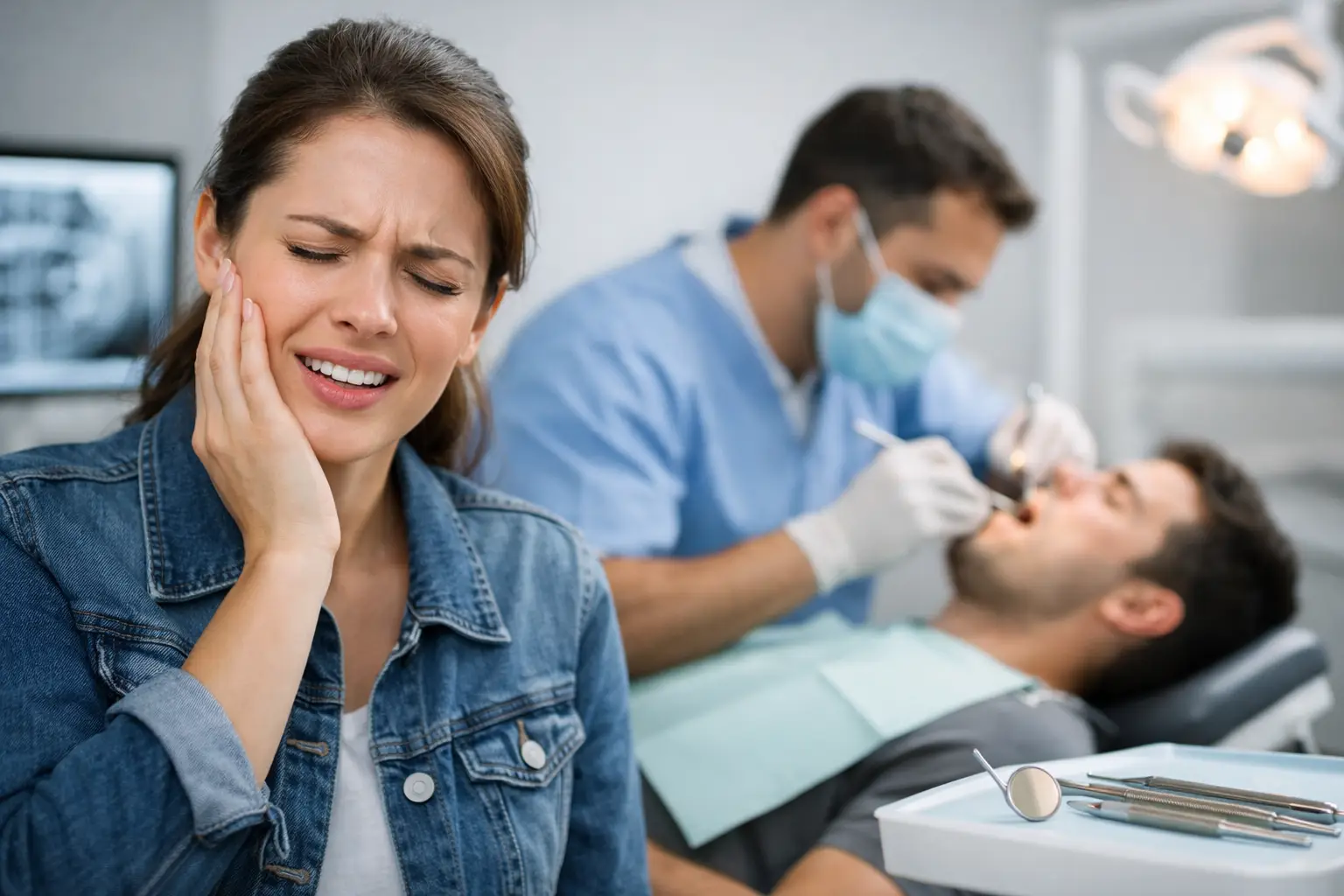
A sudden toothache can make it hard to think about anything else. A broken tooth before work, swelling that appears overnight, or a tooth knocked loose during a game can feel frightening, especially if you have dental anxiety. This patient guide to emergency dental care can help you make a calm, informed decision about what to do next and how to protect your health until you are seen.
Dental emergencies are not always dramatic, but they do deserve timely attention. Prompt care may relieve pain, prevent an infection from spreading, and improve the chances of saving a damaged or displaced tooth.
What Counts as a Dental Emergency?
A dental emergency is a problem involving pain, bleeding, injury, swelling, or a broken restoration that needs professional attention quickly. Some concerns can safely wait for a routine appointment, but others should be addressed the same day whenever possible.
Call a dentist promptly if you have severe or persistent tooth pain, a cracked or broken tooth, a knocked-out tooth, a loose adult tooth, facial swelling, uncontrolled bleeding, or a lost filling or crown that leaves the tooth painful or exposed. Pain alone is not the only sign of urgency. An abscess, for example, may begin as a small bump on the gums or tenderness when biting before swelling becomes more noticeable.
If you have trouble breathing or swallowing, swelling around the eye or neck, heavy bleeding that will not stop, confusion, or a serious injury to the face or jaw, seek emergency medical care immediately. These symptoms can signal a condition that extends beyond the mouth and should not wait for a dental office visit.
Patient Guide to Emergency Dental Care: What to Do First
The first few minutes after a dental injury can matter. Start by rinsing your mouth gently with warm water to clear away blood or debris. If there is swelling, place a cold compress against the outside of your cheek for 10 to 15 minutes at a time. Avoid putting aspirin directly on the gums or tooth. It can burn soft tissue and will not treat the source of pain.
Next, contact your dentist and clearly describe what happened, when it started, where it hurts, and whether you have swelling, fever, bleeding, or sensitivity to hot and cold. This information helps the dental team determine how quickly you need to be seen and what to do while you wait.
Over-the-counter pain medication may offer temporary relief when used exactly as directed on the label and when safe for you to take. Do not exceed recommended doses. If you take prescription medications, have a bleeding disorder, are pregnant, or have a medical condition that affects medication choices, ask a healthcare professional before taking anything new.
If a Tooth Is Knocked Out
A knocked-out permanent tooth is one of the most time-sensitive dental emergencies. Pick it up by the crown, which is the visible chewing portion, not by the root. If it is dirty, rinse it gently with milk or clean water for only a few seconds. Do not scrub it, wrap it in tissue, or remove attached tissue from the root.
If you can do so safely, place the tooth back in its socket and gently bite on clean gauze to hold it in place. If that is not possible, keep the tooth moist in milk or in your mouth next to the cheek if there is no risk of swallowing it. Call a dentist immediately. The sooner the tooth is evaluated, the better the possibility of preserving it.
For a baby tooth, do not try to reinsert it. Call a dentist for guidance, since reinserting a primary tooth can affect the developing adult tooth underneath.
If a Tooth Is Broken, Cracked, or Loose
Save any pieces of a broken tooth, rinse your mouth, and use a cold compress for swelling. A sharp edge can irritate your tongue or cheek, so cover it temporarily with dental wax if you have it. Avoid chewing on that side of your mouth and avoid very hot, cold, sugary, or hard foods.
A cracked tooth is not always easy to see. It may cause sharp pain when you bite, sensitivity that comes and goes, or discomfort around a filling or crown. Even if the pain fades, arrange an evaluation. Cracks can deepen over time, and early treatment may preserve more of the natural tooth.
A loose permanent tooth also needs prompt attention, even if it has not come out. Do not wiggle it to test how loose it is. Keep pressure off the area and contact your dentist.
If You Have Severe Tooth Pain or Swelling
Throbbing tooth pain, gum swelling, a pimple-like bump near a tooth, a bad taste in the mouth, or fever may point to an infection. Dental infections do not resolve simply because the pain temporarily decreases. In some cases, pressure inside the tooth changes and the nerve stops responding, while the infection remains active.
Rinse gently with warm salt water, use a cold compress on the outside of the face, and call for care. Never try to drain an abscess yourself. A dentist must identify the cause of the infection and recommend the appropriate treatment, which may include drainage, root canal therapy, or removal of a tooth that cannot be saved.
What Can Usually Wait a Day or Two?
Not every dental concern requires an emergency appointment. A small chip with no pain, a mildly sensitive tooth, a lost filling without sharp edges, or a crown that has come off but does not cause significant discomfort may be manageable until the next available visit. Still, call your dental office for individualized guidance. What feels minor can become more complicated if the tooth is left exposed.
Keep a lost crown or filling if you can find it. Do not use household glue to put a crown back in place. It can damage the restoration, irritate your gums, and make professional treatment more difficult. In the meantime, avoid chewing on that side and keep the area clean.
How to Make an Emergency Visit Easier
When pain and anxiety arrive together, even a simple phone call can feel overwhelming. Before you call, write down when symptoms began, what makes the pain worse, any medication you have taken, and whether you have fever, swelling, or recent trauma. Bring a list of medications and relevant health information to your appointment.
Be honest about fear or past difficult dental experiences. Comfort-focused care is not an extra concern – it is part of good care. Depending on your needs and the treatment required, your dentist may discuss calming options, including sedation dentistry. For patients who need more extensive treatment or feel especially anxious, a thoughtful plan can make urgent care feel far more manageable.
At Art of Smiles, patients in Vero Beach can expect compassionate communication, advanced dental care, and an approach that respects both the urgency of the problem and the person experiencing it. The goal is not only to address the immediate concern, but also to help you feel informed and comfortable throughout the process.
Preventing the Next Dental Emergency
Some emergencies are accidental, but many can be reduced with consistent preventive care. Wear a properly fitted mouthguard for contact sports, do not use teeth to open packages, and avoid chewing ice, hard candy, or popcorn kernels. If you grind or clench your teeth, ask about a protective nightguard. It can reduce wear, fractures, and stress on restorations.
Regular exams also give your dentist an opportunity to find small cracks, failing fillings, gum disease, and infection before they become painful. If you have a temporary crown, a loose restoration, or occasional sensitivity, do not wait until it becomes an after-hours problem.
When a dental emergency happens, focus on one next step: protect the area, manage symptoms safely, and call for professional guidance. A calm response and timely care can make a meaningful difference for your comfort, your health, and your smile.
