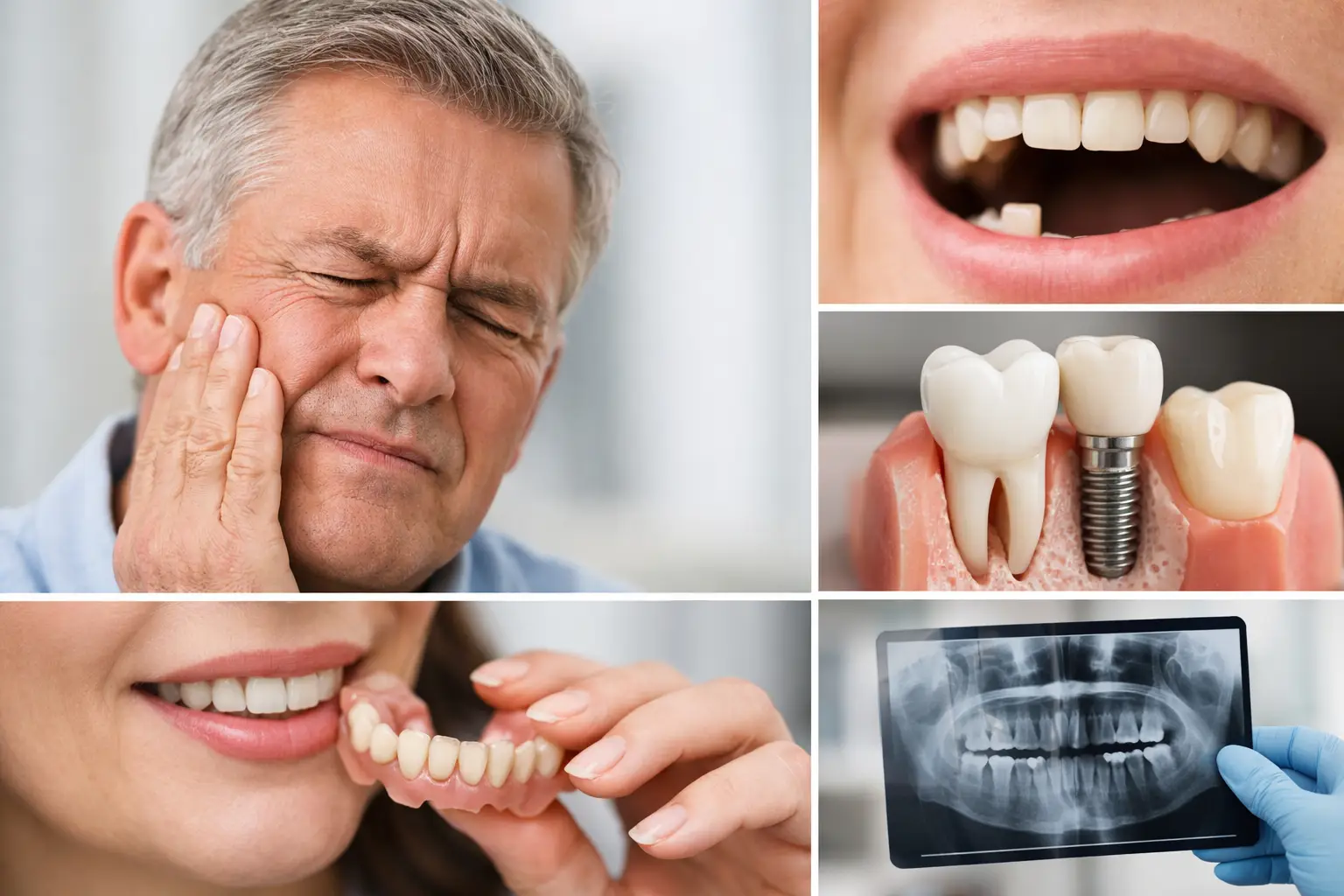
A missing tooth can change more than a photograph. It can make you chew on one side, avoid favorite foods, speak more carefully, or feel self-conscious when you laugh. Recognizing the signs you may need dental implants can help you seek care before these daily adjustments become larger oral health concerns.
Dental implants are designed to replace the tooth root as well as the visible tooth. This gives a restoration stable support and can help preserve the bone that keeps your facial structure and neighboring teeth in their proper positions. Still, implants are not the right answer for every person or every situation. A thoughtful examination is the best way to understand what will protect your health, comfort, and smile over the long term.
Signs You May Need Dental Implants
1. You have one or more missing teeth
A gap may seem manageable, especially if it is near the back of your mouth. Yet teeth work together. When one is missing, nearby teeth can gradually lean or drift toward the open space. The opposing tooth may also shift because it no longer has a tooth to bite against.
Replacing a missing tooth with an implant-supported crown can restore the space without relying on neighboring healthy teeth for support. For several missing teeth, implant-supported bridges may be an option. The best solution depends on the number and location of missing teeth, your bite, and the condition of your gums and jawbone.
2. Your denture moves, rubs, or makes eating difficult
Traditional dentures can restore the appearance of a full smile, but they do not always feel secure. If your denture slides when you speak, lifts while you eat, or repeatedly creates sore spots, it may be time to discuss a more stable option.
Implants can be used to anchor a removable denture or support a fixed full-arch restoration. For patients who have lost most or all of their teeth, All-on-4® treatment may offer a way to support a complete arch with strategically placed implants. Not everyone needs or wants a fixed solution, but persistent movement and discomfort deserve attention. You should not have to plan every meal around what your denture can handle.
3. A damaged tooth cannot be predictably saved
Dentists always aim to preserve a natural tooth when it can be treated successfully. A crown, root canal, or other restorative treatment can often keep a damaged tooth functioning for many years. However, a tooth with a severe fracture, extensive decay below the gumline, repeated infection, or very little healthy structure left may not have a reliable long-term prognosis.
In these cases, removing the tooth and replacing it with an implant may be the healthier choice. This is not a decision to rush. Your dentist should explain whether saving the tooth is realistic, what future treatment may be needed, and how those options compare with an implant in cost, comfort, and durability.
4. You avoid chewing on one side of your mouth
Favoring one side can be a quiet sign that something is not working as it should. Perhaps a missing tooth leaves you unable to grind food comfortably, a loose bridge feels unreliable, or an old restoration causes pain under pressure. Over time, chewing primarily on one side can place extra stress on those teeth and make meals less enjoyable.
An implant restoration can return balanced chewing support where it is needed. It is especially worth discussing when you have changed what you eat because crunchy vegetables, steak, nuts, or other nutritious foods have become too difficult. Pain, pressure, and changes in chewing should always be evaluated, even if they come and go.
5. Your bridge is failing or you do not want more adjacent teeth altered
A traditional bridge can be an excellent treatment in the right circumstances. It is often a practical choice, particularly when the teeth beside a gap already need crowns. But a bridge depends on those neighboring teeth for support. If the supporting teeth develop decay, fracture, or gum problems, the entire bridge can be affected.
If an existing bridge is failing, or if the teeth next to a missing tooth are healthy and intact, an implant may be worth considering. An individual implant stands independently in the jaw, so it generally does not require reshaping adjacent healthy teeth. There are trade-offs: implants involve surgery and a healing period, while some bridge treatments can be completed sooner. Your goals, health history, and timeline all matter.
6. Your jawbone or facial contours are changing after tooth loss
The jawbone needs stimulation from tooth roots to maintain its volume. After a tooth is lost, the bone in that area can gradually shrink. This process may affect the fit of dentures, make future tooth replacement more complex, and contribute to a sunken appearance around the lips and cheeks when many teeth are missing.
Because an implant is placed in the jawbone, it can provide the stimulation that a removable appliance cannot. It does not reverse every change that has already occurred, and some patients need bone grafting before implants can be placed. Even so, discussing replacement sooner rather than later can preserve more options for the future.
7. You feel embarrassed by gaps, loose teeth, or removable appliances
The emotional effects of tooth loss are real. You may cover your mouth when you smile, decline social invitations, or worry that your teeth will shift while talking. These concerns are not superficial. Feeling able to speak, eat, and smile without constant self-monitoring can make a meaningful difference in daily life.
Dental implants are not simply cosmetic. They can support function, stability, and confidence at the same time. A personalized plan should account for how you want your smile to look as well as how you need it to work.
When Dental Implants May Need to Wait
Having gum disease, low bone volume, diabetes, or a history of smoking does not automatically rule out implant treatment. It does mean planning must be especially careful. Active gum infection needs to be treated, blood sugar should be well managed, and smoking can interfere with healing and long-term implant success.
Some people need preparatory care, such as periodontal treatment, bone grafting, or an extraction site to heal before implant placement. Others may be better served by a bridge or removable partial denture based on their health, budget, or treatment preferences. A good recommendation is never one-size-fits-all. It considers the health of your mouth today and the solution you can confidently maintain for years.
What an Implant Consultation Should Feel Like
A thorough consultation begins with listening. Your dentist should ask what is bothering you, how tooth loss affects your life, and what concerns you may have about treatment. Digital imaging and a detailed examination help assess bone levels, bite alignment, gum health, and the location of important structures in the jaw.
From there, you should receive a clear explanation of your options. Implant care is typically completed in stages: planning, placement of the implant, healing and integration with the bone, and placement of the final crown, bridge, or denture. In select cases, temporary teeth may be possible during treatment. Timing varies, and a careful plan is more valuable than a rushed one.
For patients who feel anxious about dental procedures, comfort should be part of the conversation from the beginning. Art of Smiles in Vero Beach offers a compassionate approach and IV sedation options for patients who want a calmer, more comfortable treatment experience. You deserve to understand each step and to feel heard before making a decision.
If a gap, failing restoration, or unstable denture has been quietly limiting your life, a consultation can offer clarity without pressure. The next step may be dental implants, another restorative option, or simply a plan to protect the teeth you still have. What matters is choosing care that lets you eat, speak, and smile with greater ease.
