Losing most or all of your teeth affects more than meals and photographs. It can make everyday conversations feel guarded, limit the foods you enjoy, and leave you worried about loose dentures. If you are asking who is a candidate for all on 4, the answer often starts with a simple goal: replacing a full arch of missing or failing teeth with a stable, natural-looking solution that supports daily life.
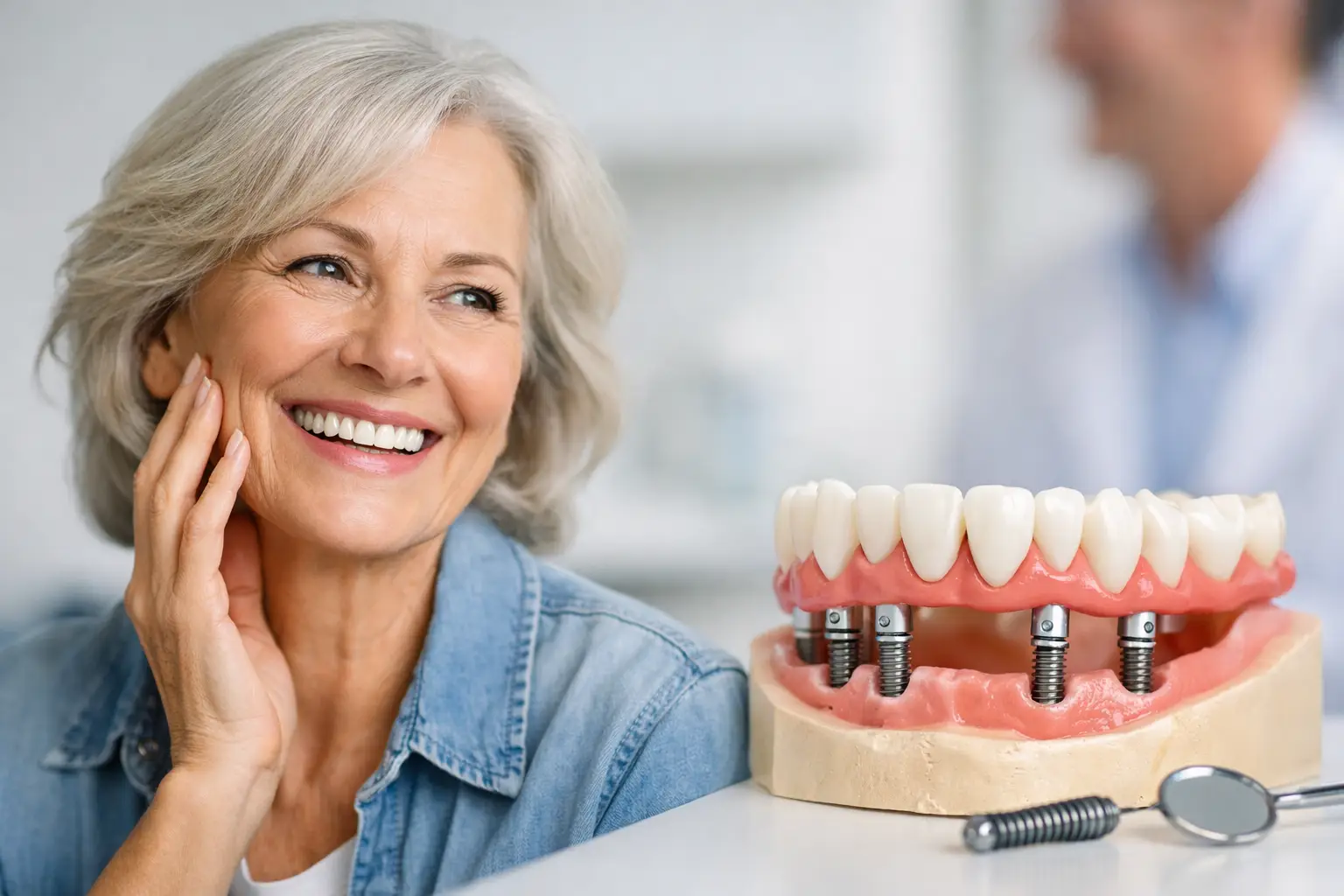
All-on-4® dental implants are designed to support a full set of replacement teeth using four strategically placed implants. For many people, this approach can offer a secure alternative to removable dentures, often with fewer implants than other full-mouth restoration options. Whether it is right for you depends on your oral health, medical history, bone structure, and goals – not just the number of teeth you have lost.
Who Is a Candidate for All on 4?
A strong candidate is often someone who is missing all or most teeth in an upper or lower arch, or someone whose remaining teeth are severely damaged, loose, decayed, or affected by advanced gum disease. If your teeth cannot be predictably restored with individual treatment, a full-arch implant solution may provide a healthier long-term path.
Many patients considering All-on-4 have struggled with traditional dentures. Dentures that shift while speaking, require adhesive, create sore spots, or make eating difficult can be frustrating. Implant-supported teeth are fixed in place, giving the restoration a more stable feel and helping patients enjoy greater confidence when they smile, speak, and eat.
You may also be a candidate if you have already lost bone in your jaw. With conventional implant treatment, significant bone loss can sometimes require bone grafting before implants can be placed. The All-on-4 approach uses two upright implants near the front of the jaw and two implants placed at an angle toward the back, allowing the dentist to make use of available bone in many cases. That does not mean every patient can avoid grafting, but it may reduce the need for additional procedures.
Oral Health Factors That Matter
Implants need a healthy foundation. Before recommending treatment, your dentist will carefully examine your gums, jawbone, bite, remaining teeth, and the condition of the tissues in your mouth. Advanced imaging helps create a clear picture of bone volume and identify important structures, such as nerves and sinus spaces.
Gum Disease Must Be Addressed
Active gum disease does not automatically rule out All-on-4 treatment, but it must be managed. Gum disease is an infection that can damage the bone supporting your teeth. Left untreated, it can also threaten the long-term health of dental implants.
For patients with widespread periodontal disease, removing compromised teeth and thoroughly treating infection may be part of the treatment plan. Ongoing professional care and consistent home hygiene are essential after implants are placed. Implant-supported teeth cannot get cavities, but the gums and bone around the implants still need protection.
Bone Loss Is Not Always a Barrier
People sometimes assume they have waited too long for implants because their jawbone has shrunk after years of tooth loss. Bone loss is common, particularly when teeth have been missing for a long time. It deserves a detailed evaluation, not an immediate no.
The angled placement used in an All-on-4 treatment plan can make it possible to support a full arch with existing bone in many situations. In others, grafting, a different implant design, or another restorative approach may be safer. The right answer comes from a personalized examination rather than a one-size-fits-all promise.
A Healthy Bite Protects Your Investment
Teeth grinding and clenching place tremendous pressure on restorations. Patients who grind their teeth can still be candidates, but they may need a custom nightguard and careful bite planning to protect their new teeth. The dentist will also evaluate how your upper and lower teeth meet, because a balanced bite supports comfort and long-term function.
Your General Health Matters, Too
Good overall health supports predictable healing, but candidacy is rarely as simple as being perfectly healthy or not. Many adults with controlled medical conditions can receive dental implants successfully. Your dentist will review your health history, medications, and any conditions that could affect healing or surgery.
Diabetes, for example, does not necessarily prevent implant treatment. When blood sugar is well controlled, it may be possible to move forward safely. Uncontrolled diabetes may increase the risk of infection and delayed healing, so a physician and dentist may need to coordinate care first.
Certain medications, immune conditions, bleeding disorders, past radiation therapy to the jaw, and osteoporosis treatments may also require special planning. Honest conversations about your medical history are a vital part of protecting your health. A compassionate dental team will never judge your history – they will use it to create a treatment plan that puts safety first.
Smoking and tobacco use are another important consideration. Tobacco can reduce blood flow, interfere with healing, and raise the risk of implant complications. Some smokers are still candidates, but reducing or stopping tobacco use before treatment can make a meaningful difference in healing and long-term results.
Are You Ready for a Fixed Full-Arch Solution?
All-on-4 is not simply a procedure for replacing teeth. It is a commitment to restoring and maintaining your oral health. Ideal candidates understand that even though replacement teeth are designed to be durable, they need daily care and regular dental visits.
You will need to brush around the restoration, clean beneath it with the tools recommended by your dental team, and attend routine checkups. These visits allow your dentist to monitor the implants, gums, bite, and restoration before small concerns become larger ones.
It is also helpful to have realistic expectations. All-on-4 can dramatically improve stability, appearance, and function, but it is still a surgical and restorative process. There may be a healing period, adjustments, and a transition from a temporary restoration to a final one. A quality treatment plan explains each stage clearly, including what you can expect with eating, speaking, comfort, and follow-up care.
What If You Have Dental Anxiety?
Fear of the dentist should not keep you from exploring your options. Many people seeking full-mouth restoration have postponed care for years because of anxiety, pain concerns, a sensitive gag reflex, or difficult past experiences. Those concerns deserve respect.
Sedation dentistry can help eligible patients feel calmer and more comfortable during extensive care. At Art of Smiles, IV sedation is available for patients who need a deeper level of relaxation during treatment. Your medical history, procedure needs, and comfort preferences can help determine whether sedation may be appropriate for you.
The goal is not to rush you through a major decision. It is to help you feel informed, supported, and cared for from your first conversation through every stage of treatment.
When All-on-4 May Not Be the Best Choice
All-on-4 is an excellent solution for many patients, but it is not automatically the best solution for everyone. If your remaining teeth are healthy and can be restored predictably, preserving them may be the more conservative choice. Individual implants, bridges, partial dentures, or other restorative treatments may better match your needs.
Treatment may also need to be delayed when there is an untreated infection, uncontrolled medical condition, or a current barrier to proper healing. A responsible recommendation sometimes means first improving gum health, managing medical concerns, or creating a plan to reduce tobacco use. Taking those steps can make later treatment safer and more successful.
How Candidacy Is Determined
A consultation is the only reliable way to know whether All-on-4 is right for you. Your dentist will discuss your concerns, health history, and goals, then complete a thorough exam and review advanced images of your jaw. You should also have time to discuss the type of restoration, sedation options, timeline, maintenance needs, and financial considerations.
Come prepared to share what is not working with your current teeth or dentures. Is it discomfort? Difficulty eating? Embarrassment in social settings? A desire to avoid repeated dental repairs? Those details help shape a plan around the changes that matter most to you.
You do not have to keep living around failing teeth or unreliable dentures. A thoughtful consultation can give you clear answers, a comfortable place to ask questions, and a path toward a smile that feels like part of your life again.
